Sapa Village Vietnam 10 Ways to Enjoy Its Natural Beauty
So you’re thinking about visiting Sapa village Vietnam? Good choice, my friend! This little mountain town is basically Vietnam’s answer to a fairy tale – think misty mornings, rice terraces that’ll make your Instagram blow up, and some of the most genuine people you’ll ever meet. I’ve been there, done that, got the muddy hiking…
So you’re thinking about visiting Sapa village Vietnam? Good choice, my friend! This little mountain town is basically Vietnam’s answer to a fairy tale – think misty mornings, rice terraces that’ll make your Instagram blow up, and some of the most genuine people you’ll ever meet.
I’ve been there, done that, got the muddy hiking boots to prove it, and I’m here ““@to spill all the tea about this absolutely magical place. Whether you’re curious about staying in Ta Van village Sapa (spoiler: it’s incredible) or wondering if Cat Cat village Sapa is worth the hype (it is, but there’s a catch), I’ve got you covered.
Sapa 101: The Basics You Actually Need
Where the Heck is Sapa Village Vietnam?
Okay, so Sapa is tucked away in Vietnam‘s northern mountains, about a 5-6 hour journey from Hanoi. It’s sitting pretty at 1,560 meters high (that’s like being on top of a really tall building, but with way better views and fresher air).
The French basically said “this place is too pretty to ignore” back in the day and turned it into their mountain getaway. Smart move, honestly.
When Should You Actually Go?
Look, I’ll be real with you – there’s no perfect time because each season has its own vibe:
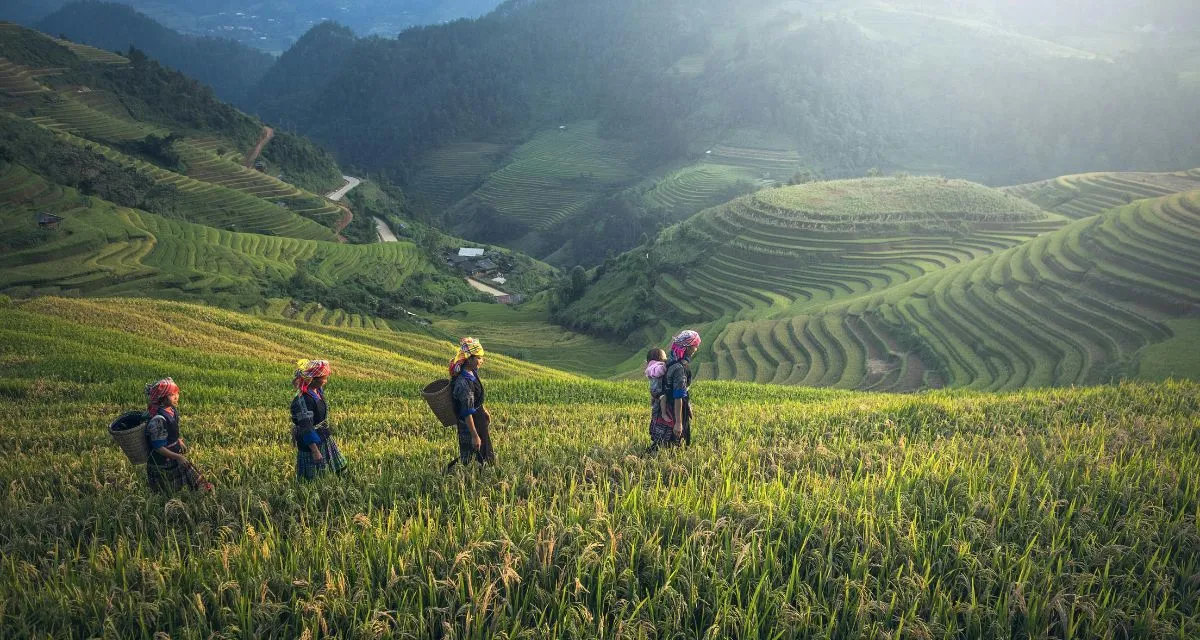
Spring (March-May): Pretty flowers everywhere and perfect hiking weather. The rice terraces look like someone drew geometric patterns on the mountains.
Summer (June-August): Everything’s super green and lush, but heads up – it can get pretty humid and you might get caught in some afternoon rain showers.
Autumn (September-November): This is when Sapa becomes absolutely ridiculous (in the best way). The rice terraces turn golden, and honestly, your camera won’t be able to handle how beautiful it is.
Winter (December-February): Fewer crowds, crisp air, and sometimes it gets cold enough that you’ll actually need that jacket you packed “just in case.”
Rainy season reality check: June to September can be pretty wet, so pack waterproof stuff and maybe don’t wear your favorite white sneakers.
Getting There: Your Options (Ranked by Someone Who’s Tried Them All)
Shared Mini-Vans (My Top Pick)
This is honestly the way to go. These comfy vans fit about 12-16 people, take 5-6 hours from Hanoi, and you get amazing mountain views without having to drive yourself. Costs around $15-20 and they’ll pick you up and drop you off – can’t beat that convenience.
Sleeper Buses (For the Budget-Conscious)
Night buses are pretty affordable ($10-15) and you’ll save on a hotel night. Just don’t expect to sleep like a baby – Vietnamese buses can be… an experience. Go with Sapa Express or Hung Thanh if you want to avoid the sketchy operators.
Overnight Train (For the Romantics)
Take the train to Lao Cai, then hop on a bus to Sapa. It’s definitely the most “old school Vietnam” way to travel, though it takes about 8-9 hours total. Perfect if you’re into that vintage travel vibe.
Getting Around: Sapa Edition
Walking is Your Friend
Good news – Sapa town is tiny and you can walk pretty much everywhere in about 15 minutes. It’s basically one big loop, so you literally can’t get lost (though I somehow managed to anyway).
Motorcycle Taxis & Golf Carts
When your legs give out or you need to get somewhere uphill fast, these little golf cart taxis are everywhere. Motorcycle taxis (xe om) are fun too, but negotiate the price first or you might end up paying tourist prices.
Grab in the Mountains
Grab works here, but don’t count on it like you would in Hanoi. The mountains mess with the GPS sometimes, and drivers aren’t always around when you need them.
Where to Crash: From Fancy to “This is Fine”
Fancy Places (When You Want to Treat Yourself)
Amazing Hotel Sapa: Lives up to its name with killer valley views and breakfast that’ll make you question why you ever eat cereal at home.
Pao’s Sapa Leisure Hotel: Traditional vibes but with modern comfort. Their spa is perfect after a day of hiking.
Hotel de la Coupole: French colonial fancy meets mountain charm. Perfect if you want to feel bougie.
Budget-Friendly Spots
Sapa Backpackers: Where all the young travelers hang out. Dorm beds from $8 and they organize group treks if you’re feeling social.
Sapa Family Hostel: Super clean, friendly staff, and private rooms that won’t break the bank ($15-25).
Homestays (The Real Deal)
Now here’s where it gets interesting. Staying in Ta Van village Sapa is honestly one of the coolest things you can do. You’ll sleep in traditional stilt houses, eat with local families, and maybe even help out with farm work if you’re into that.
Fair warning: we’re talking basic facilities here. Like, really basic. But the experience? Absolutely priceless. Plus, your money goes directly to local families instead of some hotel chain.
Your Perfect Sapa Village Vietnam Adventure (3-4 Days of Awesomeness)
Day 1: Sapa Town isn’t Just a Stopover
Start at Sun Plaza for the views (and maybe some shopping if you’re into that), then check out the Stone Church – it’s this beautiful French colonial building that’s been around since 1930.
The weekend night market is where it’s at for street food and souvenirs. Pro tip: try the grilled corn – it’s weirdly addictive.
Real talk about the downsides: Yes, there are vendors who’ll follow you around trying to sell stuff, and there’s always some construction happening. Just smile, say “no thank you” firmly, and don’t let it ruin your vibe.
Day 2: Epic Trekking (Get Ready to Work Those Legs)
This is the day you’ll remember forever. The trek from Sapa to Lao Chai and Ta Van villages is about 12 kilometers of pure magic. You’ll walk through rice terraces that look like something out of a movie.
What to bring:
- Good hiking boots (seriously, don’t cheap out here)
- Layers because mountain weather is moody
- Rain jacket (trust me on this one)
- Snacks and water
- Camera with extra battery
Heads up: The trail can get muddy and steep. I may have slipped and landed on my butt more than once. Also, lots of local women will offer to be your guide – it’s totally fine to say no if you want to go solo, just be polite about it.
Day 3: Conquer Vietnam’s Highest Peak (Sort Of)
The Fansipan cable car is honestly engineering magic. You take a monorail to get to the cable car station, then whoosh up to the summit. It costs around $35-40, but book online for discounts.
At the top, there are temples, giant statues, and cafés (because nothing says mountain peak like a good coffee). Yeah, it’s touristy, but the views on a clear day are absolutely insane.
Weather warning: It can get cold up there even when it’s warm in town, so bring a jacket!
Day 4: The Hidden Gems
Love Waterfall: It’s a bit of a trek (18km from town), but this 100-meter waterfall is like something out of a fairy tale. The 2km hike through the forest is super peaceful.
Ham Rong Mountain: If you’re into gardens and flowers, this is your spot. It’s basically a cultivated mountain with orchids and crazy good views.
Red Dao Herbal Baths: After all that hiking, soak in traditional herbal baths. It’s like a spa day, but more authentic.
Cat Cat Village: Okay, let’s talk about this one. Cat Cat village Sapa is definitely touristy, but it’s still pretty cool if you know what to expect. You can rent traditional H’Mong clothing for photos (which honestly makes for amazing Instagram content), watch traditional crafts, and see how people actually live. Just don’t expect it to be untouched by tourism.
Food: The Good, The Great, and The “Just Eat It”
Where the Views Match the Food
Nature View Restaurant: The name says it all – eat Vietnamese food while staring at valley views that’ll make you forget to actually eat.
Hill Station: French-Vietnamese fusion that’s perfect for a fancy dinner. A bit pricey but worth it.
Delta Restaurant: Good Vietnamese comfort food and strong coffee that’ll wake you up from your mountain food coma.
The Local Spots You Need to Know
Baguette & Chocolat: French baker who actually knows what they’re doing. Get the croissants and thank me later.
Little Sapa Restaurant: Family-run place with honest food and honest prices. No fancy presentation, just good eating.
Don’t skip the street food! Try thang co (traditional soup that’s definitely an acquired taste), grilled meats, and fresh spring rolls.
Real Talk About Village Food
When you’re staying in Ta Van village Sapa or other rural spots, don’t expect a menu. You’ll eat whatever the family’s eating – usually fresh veggies, free-range chicken, and locally caught fish. Limited options but maximum authenticity.
Stuff You Actually Need to Know (The Real Travel Tips)
Internet and Staying Connected
Mountain internet can be… interesting. Sometimes it works great, sometimes you’ll be completely offline. Consider getting a local SIM or international eSIM if staying connected is important.
About Those Kids Selling Stuff
You’ll see children trying to sell bracelets or postcards. It’s heartbreaking, but giving money can actually keep them out of school. If you want to help, buy from adult vendors or support established organizations.
What to Actually Pack
- Layers, layers, layers (mountain weather is unpredictable)
- Waterproof everything
- Good hiking boots (cannot stress this enough)
- Cash (ATMs are scarce outside town)
- Sense of humor for when things don’t go as planned
Safety Stuff
If you’re thinking about renting a motorbike, please be careful. These mountain roads are no joke. Grab is usually safer when it’s available.
Protect your trip with trusted travel insurance.
The Real Sapa: Beyond the Tourist Stuff
Here’s what guidebooks don’t always tell you – Sapa is home to five ethnic groups (H’Mong, Red Dao, Tay, Giay, and Xa Pho), each with their own language, traditions, and amazing traditional clothing.
The H’Mong people are known for their indigo-dyed clothes and hemp textiles. The Red Dao women wear those distinctive red headdresses and know everything about herbal medicine. The Tay people are agricultural masters who built those incredible terraces.
But here’s the thing – tourism brings money but also challenges. Many young people leave for cities, and there’s pressure to commercialize traditions. When you buy directly from families or stay in homestays, you’re helping ensure that tourism benefits actually reach the communities.
Should You Go Solo or With a Guide?
Going solo is awesome if:
- You like figuring things out as you go
- You’re comfortable with basic accommodation
- You don’t mind language barriers
- You want to save money on guide fees
Get a guide if:
- You want cultural context and stories
- You’re not confident navigating unmarked trails
- You prefer structured experiences
- You want someone to translate
FAQ: The Questions Everyone Actually Asks
How long should I stay? 3-4 days is the sweet spot. Enough time to trek, see the sights, and not feel rushed.
Is the homestay thing worth it? If you’re open to basic facilities and cultural immersion, absolutely. It’s one of those experiences you’ll talk about for years.
What’s the deal with Cat Cat village? It’s touristy but still worth it if you manage expectations. Go early or late to avoid crowds.
Can I really trek without a guide? Yep, but bring maps, tell someone your plans, and start with easier routes.
How much money do I need? Budget: $20-30/day, mid-range: $40-70/day, fancy: $100+/day
Why Sapa Will Blow Your Mind
Look, I could talk about Sapa all day, but here’s the bottom line – it’s one of those places that gets under your skin in the best way. The combination of jaw-dropping scenery, genuine cultural experiences, and that fresh mountain air creates something really special.
Whether you end up loving the luxury hotels or falling head over heels for staying in Ta Van village Sapa, whether you spend hours photographing Cat Cat village Sapa or discover some hidden waterfall nobody told you about, Sapa has this way of exceeding expectations.
Just remember to pack layers, bring your sense of adventure, and be open to experiences that might be different from what you planned. Trust me – Sapa village Vietnam will give you stories that’ll make your friends jealous and photos that’ll make them start planning their own trip.
Go with realistic expectations but an open heart, and Sapa will reward you with memories that’ll last way longer than any souvenir you could buy. Safe travels, and prepare to fall in love with one of Vietnam’s most incredible destinations!