Chiang Rai Thailand: Unique Experiences to Try in 2025
Nestled in the northernmost reaches of Thailand, Chiang Rai Thailand stands as the captivating capital of Chiang Rai Province, renowned for its extraordinary temples, breathtaking landscapes, and rich cultural tapestry. This enchanting destination offers visitors a unique blend of photogenic architectural marvels, vibrant hill tribe communities, and profound historical significance that sets it apart from…
Table of Contents
Nestled in the northernmost reaches of Thailand, Chiang Rai Thailand stands as the captivating capital of Chiang Rai Province, renowned for its extraordinary temples, breathtaking landscapes, and rich cultural tapestry. This enchanting destination offers visitors a unique blend of photogenic architectural marvels, vibrant hill tribe communities, and profound historical significance that sets it apart from Thailand’s more tourist-heavy destinations.
Unlike the bustling streets of Bangkok or the crowded beaches of Phuket, Chiang Rai presents itself as a serene alternative to Chiang Mai and other major Thai cities. Here, travelers discover an authentic Thai experience where ancient traditions seamlessly merge with artistic innovation, creating an atmosphere of tranquil beauty and cultural depth.
This comprehensive guide serves as your essential companion for exploring Chiang Rai, providing optimized itineraries, detailed transportation information, accommodation recommendations, and insider tips to ensure your first visit becomes an unforgettable journey through one of Thailand’s most remarkable destinations.
Why Visit Chiang Rai?
Chiang Rai Thailand captivates visitors with its extraordinary collection of unique temples, including the world-famous Chiang Rai White Temple (Wat Rong Khun) and the stunning Blue Temple (Wat Rong Suea Ten). These architectural masterpieces represent some of Thailand’s most photogenic and spiritually significant attractions, offering experiences unlike anywhere else in Southeast Asia.
As one of Thailand’s best-kept secrets, Chiang Rai maintains an authentic atmosphere that distinguishes it from bustling metropolises and commercial beach resorts. The province’s distinct character emerges through its harmonious blend of contemporary artistic expression, ancient Buddhist traditions, and the living cultures of indigenous hill tribes who call this mountainous region home.
The city’s appeal lies not just in its famous temples, but in its ability to offer visitors a genuine glimpse into northern Thai culture, where every corner reveals new discoveries and every temple tells a unique story of faith, artistry, and cultural heritage.
Best Time to Visit Chiang Rai: Season by Season Guide
Chiang Rai Thailand enjoys a pleasant climate throughout the year, though each season offers distinct advantages and considerations for travelers planning their visit.
Cool Season (November to February) represents the optimal time for most visitors. During these months, temperatures remain comfortable with less humidity, creating ideal conditions for temple exploration and outdoor activities. The landscape appears lush and green following the rainy season, while early November presents opportunities to experience the magical Yee Peng and Loy Krathong festivals in nearby Chiang Mai. However, this peak season brings larger crowds and higher accommodation prices, with December and January experiencing the coolest temperatures (daytime averages of 21°C/70°F, nighttime dropping to 10-15°C/50-59°F).
Hot Season (March to May) offers budget-conscious travelers reduced prices and fewer crowds, making it an attractive option despite the challenging temperatures. April’s Songkran celebration (Thai New Year Water Festival, April 13-15) provides cultural immersion opportunities. However, temperatures can reach extreme highs of 36°C/97°F in April, while agricultural burning creates significant air quality issues that may particularly affect visitors with respiratory conditions.
Rainy Season (May to October) transforms the region into a verdant paradise with fewer tourists, though visitors should prepare for afternoon downpours, typically lasting an hour with sunshine dominating the rest of the day. The wettest period occurs mid-July through mid-August, but the dramatic landscapes and peaceful atmosphere often compensate for the occasional inconvenience.
How to Get to Chiang Rai: Your Transportation Options
By Air: Mae Fah Luang Chiang Rai International Airport (CEI) provides the most convenient access, offering direct flights from Bangkok, Phuket, and international destinations including China, Macau, Malaysia, and Singapore. Bangkok flights require approximately 1 hour and 15 minutes, costing 1,800-4,000 THB. The airport sits 10 kilometers (30 minutes) from downtown, with airport buses and private transfers available for city center connections.
By Bus/Minivan: The most popular overland route originates from Chiang Mai, with Greenbus services departing from Chiang Mai Bus Terminal 3 to Chiang Rai old town center. Journey times range from 3-4.5 hours depending on service class and traffic conditions, with tickets starting from 140 baht ($4.50 USD). Bangkok connections require 11-13 hours of travel time. Important note: Chiang Rai operates two main terminals—Terminal 1 for provincial buses and Terminal 2 for long-distance services. Advance booking up to 60 days is recommended, especially during peak seasons.
By Private Car: While considerably more expensive (starting around 1,500 baht/$48 USD from Chiang Mai), private car transfers offer comfort and flexibility for travelers preferring direct transportation.
By Motorcycle/Scooter: Self-drive options provide complete freedom for exploration but require riding confidence and proper documentation. An International Drivers Permit is legally mandatory, with police issuing fines for violations. Comprehensive travel insurance becomes crucial due to common motorbike accidents involving tourists in Southeast Asia.
Getting Around Chiang Rai: Navigating the City and Beyond
Chiang Rai’s compact city center allows easy foot navigation, though most major attractions lie outside the central area and require transportation to access fully.
Grab (Ride-sharing) operates similarly to Uber, offering budget-friendly options particularly for groups. New users often receive promotional discounts (such as 70 baht off first four rides), with typical journeys costing 150-200 baht ($5-6 USD) one way. However, finding drivers in remote locations like Wat Huay Pla Kang during early morning hours can prove challenging.
Motorbike Rental provides maximum flexibility for independent exploration, costing approximately 300 baht ($10 USD) per day. Remember that International Drivers Permits and comprehensive travel insurance remain essential requirements.
Tuk-tuk/Taxi services offer convenient transportation with negotiated pricing. Typical costs include 200 THB for tuk-tuk rides to the Chiang Rai White Temple (for two people) one way, up to 300 THB for taxis, and 400-500 THB for round-trip journeys to Black House including waiting time.
Public Transport provides limited accessibility, with buses serving the White Temple (20 baht from Bus Terminal 1) but offering restricted access to other major attractions.
Organized Tours through guesthouses and travel agencies offer convenient, negotiable packages for main sites or private driver arrangements, particularly suitable for hassle-free day trips from Chiang Mai (though note the substantial travel time involved).
How Many Days for Chiang Rai? Optimized Itineraries
While one full day allows visitors to experience Chiang Rai’s highlights, the compressed schedule feels rushed and limits deeper cultural appreciation. Spending at least one night (two days) provides the recommended minimum for exploring at a comfortable pace while truly absorbing the city’s unique atmosphere.
Day trips from Chiang Mai, though possible, involve 3-4 hours of driving each way along winding mountain roads, totaling 6-8 hours of travel time that significantly limits exploration opportunities and isn’t recommended for meaningful cultural immersion.
Chiang Rai thailand Itinerary: 1 Perfect Day (Condensed)
Morning (8:00 AM – 12:00 PM): Begin at Wat Rong Khun (White Temple), arriving before 8:00 AM (ideally 7:30-7:40 AM) to capture crowd-free photographs and explore intricate details including skulls, outstretched hands, and pop culture references. Remember that photography inside the main hall is prohibited. Continue to Baan Dam Museum (Black House) for a striking architectural contrast, exploring 40 buildings featuring eclectic art, animal skulls, and provocative artwork.
Afternoon (1:00 PM – 5:00 PM): Visit Wat Rong Suea Ten (Blue Temple) around 3:00 PM, admiring sapphire blue and gold adornments, intricate Buddhist mythology depictions, and detailed artwork. Interior photography is permitted (flash off), and don’t miss trying coconut ice cream from local vendors.
Evening (6:00 PM onwards): Conclude at Chiang Rai Night Bazaar, sampling diverse street food including the famous Khao Soi, browsing local handicrafts, clothing, souvenirs, and regional teas.
Chiang Rai thailand Itinerary: 2 Ideal Days (Recommended)
Day 1:
- Morning (11:00 AM Arrival): Check into accommodation and enjoy lunch
- Afternoon (3:00 PM): Explore Wat Rong Suea Ten (Blue Temple), appreciating vibrant colors and intricate details while enjoying coconut ice cream
- Late Afternoon (5:00 PM): Photograph Wat Rong Khun (White Temple) exterior during sunset from across the moat—perfect timing as the temple closes, providing crowd-free golden hour photography
- Evening: Experience Chiang Rai Night Market’s food stalls (Khao Soi, stir-fried dishes, mango sticky rice) and weekend walking street markets if available
Day 2:
- Sunrise (6:00 AM): Visit Wat Huay Pla Kang (Goddess of Mercy Temple) for golden morning light on dragon-embellished staircases. Crucial tip: Pre-arrange return transportation as Grab services may be unavailable early morning
- Morning (8:00 AM): Experience Wat Rong Khun (White Temple) interior and grounds, arriving by 7:30-7:40 AM for first-entry access. Navigate the one-direction pathway carefully—no return once started, and no photography inside the main hall
- Mid-Morning/Lunch: Explore Baan Dam Museum (Black House) for its dark, contemplative contrast to the White Temple
- Afternoon: Depart for Chiang Mai or continue exploring additional Chiang Rai attractions
Top Attractions and Things to Do in Chiang Rai (Detailed Guide)
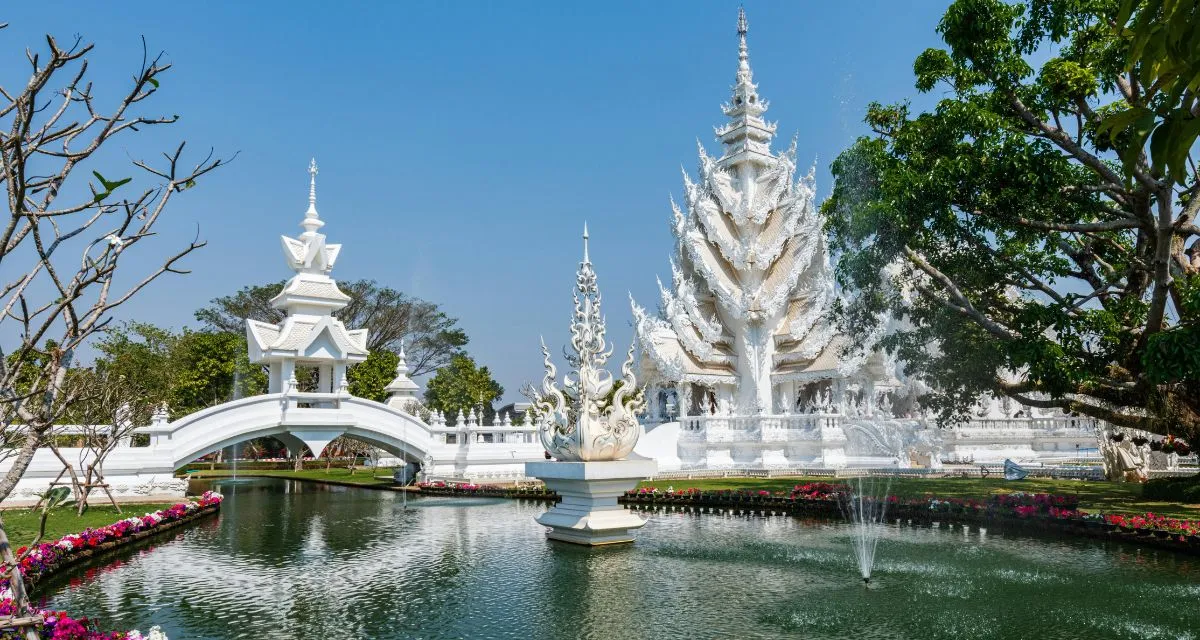
Wat Rong Khun (The White Temple) stands as Chiang Rai premier attraction, designed and funded by artist Chalermchai Kositpipat with completion expected around 2070. The entirely white structure embedded with glass sparkles brilliantly in sunlight, creating a fairytale-like appearance from distance. Up close, darker symbolism emerges through skulls and outstretched hands leading to dragon-mouth interiors, representing the journey from greed toward enlightenment. Unique elements include superhero and horror movie heads, Ninja Turtles, Michael Jackson, and Hello Kitty depictions. Entry costs 50 THB for tourists (free for Thai residents), operating daily 8:00 AM to 5:00 PM (closing begins 4:30 PM). Exterior photography is allowed; interior main hall photography is strictly prohibited.
Wat Rong Suea Ten (The Blue Temple), translating to “Tiger Temple,” showcases the work of Putha Kabkaew, a student of the White Temple artist. Distinguished by brilliant sapphire blue and gold adornments, the temple’s blue symbolizes purity, wisdom, and absence of materialism. Free entrance, operating 7:00 AM to 8:00 PM with interior photography allowed (flash off).
Baan Dam Museum (The Black House) presents the home and studio of National Artist Thawan Duchanee. This museum (not temple) features 40 buildings with eclectic art collections including animal skulls, skins, horns, and provocative artwork that may offend some visitors. Often contrasted with the White Temple as representing “heaven and hell of architecture.” Entry costs 80 THB per person, operating daily 9:00 AM to 5:00 PM.
Wat Huay Pla Kang (Goddess of Mercy Temple) features Thailand’s large white Goddess of Mercy statue (not Buddha as commonly mistaken). This newer temple showcases dragons embellishing the staircase and offers sweeping countryside views from its hilltop location. Best visited at sunrise for golden lighting effects. Transport challenges include very limited Grab/taxi availability during early morning hours.
Chiang Rai thailand Night Bazaar & Weekend Market provides authentic local street food experiences alongside clothing, souvenirs (hill tribe jewelry, elephant pants, silk scarves) shopping. Located adjacent to Chiang Rai Bus Station 1, with weekend walking street markets offering additional options.
Golden Triangle marks the historic confluence where northern Thailand meets Laos and Myanmar along the Mekong River. Once among the world’s largest opium-producing regions, visitors can explore the Hall of Opium museum and potentially take boat rides into the Golden Triangle and Laos special economic zones. Many find this attraction disappointing; combining visits with ancient Chiang Saen temples (Wat Pa Sak, Wat Phra That Chedi Luang) creates more rewarding experiences.
Ethical Tourism Considerations: Hill tribe visits require careful research to ensure ethical practices that work alongside communities rather than exploiting them for tourism revenue. The Longneck Karen (Paduang) and Big Earring (Akha) tribes feature in some exhibition villages, though some sources express concerns about refugee status and tourist income dependency. Elephant sanctuary visits demand thorough research to avoid poor conditions; Elephant Nature Park receives recognition as a reputable option.
Other Things to Do in Chiang Rai thailand (For Longer Stays)
Clock Tower appears unremarkable during daylight but features music-accompanied light shows at 7 PM, 8 PM, and 9 PM. Additional temples include Wat Phra Kaew (where the Emerald Buddha was discovered), Wat Phra Singh, and Wat Klang Wiang for visitors not yet “templed out.”
Tea Plantations surrounding Chiang Rai thailand offer photogenic settings for observing tea cultivation and sampling various local varieties. Trekking opportunities abound in Lum Nam Kok National Park with multi-day guided hikes, while Khun Korn Forest Park Waterfall provides easier family-friendly hiking options.
Waterfalls within 35-60 minutes’ drive include Khun Korn, Huay Mae Sai, Huay Kaew, and Pu Kaeng, best visited during cooler seasons after rains. Hot Springs like Huay Mak Lium, Pong Phra Soet, and Fang Hot Springs offer relaxation, particularly enjoyable during cooler months.
Family-Friendly Attractions include Nava Land Water Park with slides, wave pools, and dinosaur models; Garden of Reeds featuring beautiful landscaping, waterfalls, and playgrounds; and Khun Korn Forest Park Waterfall with accessible trails and rewarding natural beauty.
Where to Stay in Chiang Rai: Accommodation Options for Every Budget
Chiang Rai thailand offers abundant accommodation within walking distance of the city center across all budget ranges.
Luxury Options: Le Meridien receives high recommendations based on excellent experiences at other locations. The Heritage Chiang Rai Hotel and Convention – SHA Extra Plus provides 5-star amenities including outdoor pools, free parking, fitness centers, gardens, and terraces with city views from 2,200 THB.
High-Range: Nak Nakara Hotel enjoys popularity for its prime location and quality service.
Mid-Range: Blue Lagoon Hotel offers 3-star accommodations with city views, shared lounges, concierge services, free WiFi, airport shuttles, and car rental from 1,670 THB.
Budget/Hostel: Mercy Hostel and Connect Hostel receive excellent reviews for service and atmosphere. Chiang Rai Hotel provides central location near Clock Tower, walking distance to Night Bazaar, with economical large rooms from 330 THB.
Accommodation Tips: Air conditioning becomes strongly recommended during hot season, while advance booking during festivals and peak seasons prevents disappointment as rooms fill quickly.
Where to Eat in Chiang Rai: A Culinary Journey
Khao Soi Phor Jai (Pho Chai) serves the must-try Northern Thai specialty—Burmese-influenced coconut curry soup with soft yellow and crispy fried egg noodles, typically featuring chicken and served with chopped red onion, pickled cabbage, and lime. Located a short walk from Clock Tower.
Ran Lab Sanam Keela specializes in Northern Thai (Lanna) cuisine, heavily featuring meat, herbs, and bold flavors that represent authentic regional cooking traditions.
Lu Lam Restaurant offers popular riverside dining along the Kok River with beautiful water views. Specializing in Northern Thai cuisine, it’s perfect for trying classics like larb (minced pork), sai ua (Northern Thai sausage), and nam prik ong (chili-based dip).
Chiang Rai Night Bazaar provides excellent street food sampling opportunities, offering diverse Thai dishes and drinks in an authentic local atmosphere.
Essential Temple Etiquette in Thailand: Be a Respectful Traveler
Dress Code requires conservative attire covering shoulders and knees. Long skirts, pants, or dresses are appropriate; avoid tank tops. Entry denial occurs for inappropriate dress. Maintain respectful appearance throughout your visit—avoid putting on shawls just for entry photos then removing them.
Footwear must be removed before entering any temple interior. Look for signs and shoe pile indicators.
Photography rules vary by temple. Exterior photography is generally allowed, but interior photography is prohibited at the Chiang Rai White Temple. Where interior photography is permitted (like Blue Temple), ensure flash remains off.
Worship Respect demands quiet behavior inside temples to avoid disturbing worshippers. Don’t obstruct people worshipping for photographs. Keep mobile phones on silent mode, avoid smoking, and look for posted English guidelines when uncertain.
Practical Tips for Your Chiang Rai Trip
Currency: Thai Baht (THB) is the official currency throughout Chiang Rai Thailand.
Language: While Thai serves as the official language, English is commonly spoken in tourist areas. Learning basic Thai phrases demonstrates cultural respect and appreciation.
Safety: Motorbike accidents represent common tourist hazards; comprehensive travel insurance becomes essential for anyone planning to ride.
Connectivity: Wi-Fi availability is generally good in hotels and many establishments throughout the city.
Conclusion: Your Unforgettable Chiang Rai Adventure Awaits
Chiang Rai Thailand deserves recognition as a beautiful, unique destination worthy of top placement on any Thailand itinerary. While two days sufficiently cover the famous temples including the magnificent Chiang Rai White Temple, budgeting additional time allows deeper exploration of natural attractions, cultural experiences, and authentic local interactions.
Embrace this remarkable city’s harmonious blend of ancient traditions, contemporary spirituality, and natural beauty. Chiang Rai offers travelers not just spectacular photography opportunities, but genuine cultural immersion in one of Thailand’s most enchanting and authentic destinations.
Frequently Asked Questions (FAQs) about Visiting Chiang Rai
Is Chiang Rai worth visiting? Absolutely. Chiang Rai Thailand represents a beautiful region offering unique temples like the Chiang Rai White Temple and Blue Temple, providing distinct cultural experiences from other major Thai cities.
How many days do you need in Chiang Rai? While one full day is manageable, two days (at least one night) is recommended for a more relaxed and comprehensive experience.
Can you do a day trip to Chiang Rai from Chiang Mai? Yes, but it involves 3-4 hours driving each way, which can be exhausting. Overnight stays are strongly recommended when schedule permits.
What is the most famous temple in Chiang Rai? Wat Rong Khun, also known as the Chiang Rai White Temple, stands as the premier and most famous attraction.
Is Chiang Rai walkable? The city center is fairly compact and walkable, though most major attractions require transportation as they’re located outside the central area.
What should I wear to temples in Chiang Rai? Dress conservatively, covering shoulders and knees. Long skirts, pants, or dresses are appropriate; improper dress may result in entry denial.
What is the best way to get around Chiang Rai? Grab ride-sharing offers convenience and budget-friendly group options. Motorbike rental provides freedom but requires caution and International Drivers Permits. Tuk-tuks and local buses serve as additional alternatives.
What is the best time of year to visit Chiang Rai? The cool season (November to February) is generally optimal, offering comfortable temperatures, less humidity, and lush landscapes, though it represents peak tourist season with higher prices and larger crowds.