
Things to Do in Laos 12 Best Attractions You Can’t Miss
Laos remains a beguiling, landlocked destination often overlooked in favor of its neighbors, retaining a slow, rustic charm and friendly culture that captivates every visitor. While Thailand and Vietnam grab headlines, this hidden gem offers an authentic Southeast Asian experience without the crowds—making it perfect for travelers seeking genuine cultural immersion and natural wonders. This…
Laos remains a beguiling, landlocked destination often overlooked in favor of its neighbors, retaining a slow, rustic charm and friendly culture that captivates every visitor. While Thailand and Vietnam grab headlines, this hidden gem offers an authentic Southeast Asian experience without the crowds—making it perfect for travelers seeking genuine cultural immersion and natural wonders.
This comprehensive guide goes beyond the basics to cover all essential things to do in Laos, blending practical insights for budget solo travelers and sophisticated experiences for those seeking cultural depth and luxury. What makes Laos travel unique in 2025? The country has embraced sustainable tourism while maintaining its traditional character, offering unparalleled nature-based activities and improved health safety standards that make it more accessible than ever before.
Whether you’re wondering what to do in Laos on a shoestring budget or seeking the best things to do in Laos for a transformative journey, this guide covers every corner of this enchanting nation.
Table of contents
Table of Contents
Destination Cluster 1: Luang Prabang & Northern Charm(Things to Do in Laos)
1. Luang Prabang: The UNESCO Heritage Heart of Laos
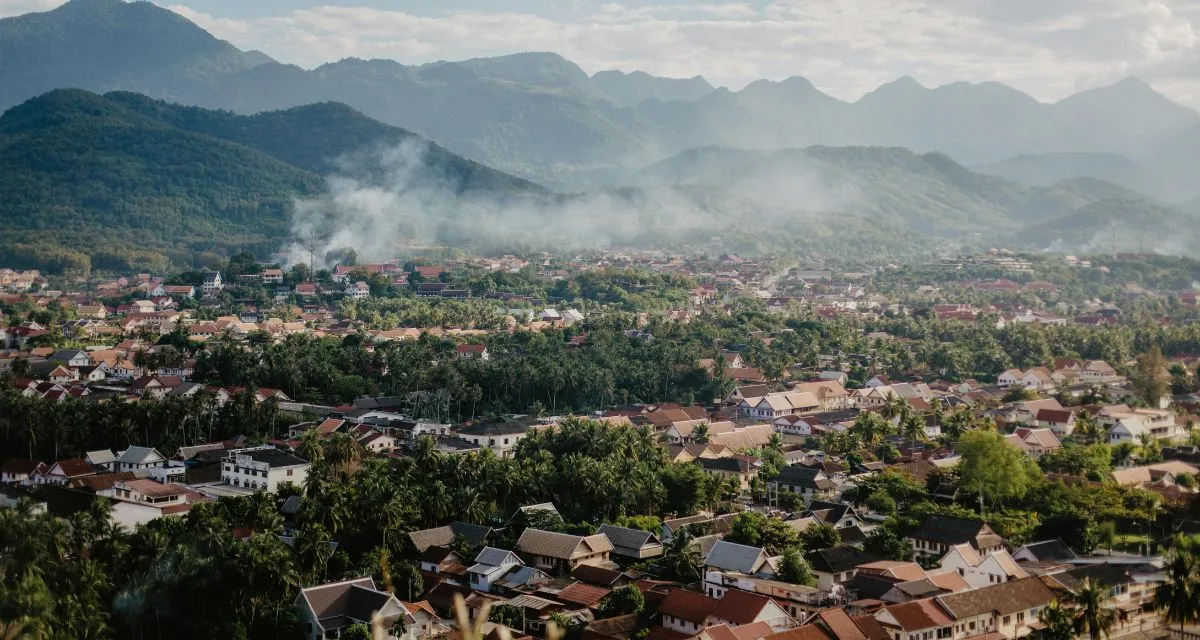
Nestled at the confluence of the Mekong and Nam Khan rivers, Luang Prabang stands as Laos’ crown jewel—a romantic royal capital that seamlessly blends French colonial architecture with traditional Lao temples. This UNESCO World Heritage site offers visitors an intimate glimpse into centuries of Buddhist culture and royal heritage.
Essential Activities in Luang Prabang
Witnessing the Morning Alms Giving Ceremony transforms early risers into cultural observers of an ancient Buddhist tradition. Between November and February, the cooler morning air makes this 6 AM ritual especially moving as hundreds of saffron-robed monks silently collect rice from devoted locals.
Visiting the Royal Palace Museum provides crucial insight into regional history, showcasing artifacts from the last royal family and explaining Laos’ transition from monarchy to communist state. The museum’s golden throne room and religious artifacts paint a vivid picture of pre-revolutionary Laos.
Climbing Mount Phousi challenges visitors with 300 steep stairs but rewards them with panoramic sunset views over the Mekong River and the entire city. The golden stupa at the summit creates the perfect silhouette against Luang Prabang’s colonial rooftops.
2. Marvel at Wat Xieng Thong: The Jewel of Luang Prabang Temples
Wat Xieng Thong represents the pinnacle of Lao temple architecture, featuring the classic Luang Prabang sweeping roof style that nearly touches the ground. This 16th-century temple complex captivates visitors with its serene golden Buddha images and the famous Tree of Life mosaic set against a deep red background—a masterpiece of traditional Lao art.
Located at the tip of the peninsula, the temple sits just a 10-minute walk from the Royal Palace Museum, making it easily accessible for temple-hopping enthusiasts. For the quietest experience and best photography, arrive between 7-8 AM before tour groups descend upon this sacred space.
3. Swim and Hike at Kuang Si Falls (The Iconic Turquoise Pools)
The multi-tiered Kuang Si Falls showcase nature’s artistry through beguiling limestone formations and crystal-clear turquoise pools that seem almost otherworldly. Beyond the main cascade, adventurous visitors can discover a quieter swimming pool by following the trail to the left of the lower falls—perfect for those seeking solitude in paradise.
The falls flow strongest during the rainy season (May-October), while the clearest water and coolest air for swimming occur between November and February. Shared minivans and tuk-tuks provide the easiest transportation from Luang Prabang, requiring 45-60 minutes through scenic countryside.
Responsible Travel Insight: Enhance your visit by stopping at the nearby Tat Kuang Si Bear Rescue Center, which rehabilitates Asiatic black bears rescued from illegal wildlife trade—a perfect example of ethical wildlife tourism in action.
4. Adventure on the Nam Ou River and Nong Khiaw
The scenic stretch between Muang Khua and Nong Khiaw offers some of Southeast Asia’s most dramatic karst landscapes, with towering limestone peaks reflected in the Nam Ou River’s gentle waters. Nong Khiaw serves as the perfect base for relaxing riverside activities, challenging hikes to viewpoints, and peaceful kayaking excursions.
Access this northern paradise via a 3-hour bus ride from Luang Prabang, with the optimal window falling between November and January when comfortable temperatures and reliable boat schedules make river exploration most enjoyable.
5. North Laos Trekking: Ethical Homestays and Culture
The rugged mountain forests surrounding Luang Namtha, Muang Sing, and Phongsaly offer authentic cultural exchanges through community-based trekking programs. These experiences connect travelers with remote hill villages where traditional lifestyles continue unchanged by modernity.
Always engage local guides for both navigation safety and cultural context—they transform simple walks into educational journeys about traditional farming, weaving techniques, and animist beliefs. The cool, dry weather from November to February provides ideal trekking conditions while supporting village economies during their harvest season.
Destination Cluster 2: Vang Vieng & Central Adventures
6. Vang Vieng: The Adventure Capital Reimagined
Once notorious for dangerous party tourism, Vang Vieng has transformed into a responsible adventure destination set amidst stunning limestone karsts. This reinvented town now serves as a relaxed base for world-class rock climbing, scenic cycle tours, and peaceful kayaking adventures that showcase the region’s natural beauty.
Positioned roughly halfway between Vientiane and Luang Prabang (3-4 hours drive), Vang Vieng offers convenient access to central Laos’ most spectacular landscapes. The dry season from November to March provides optimal conditions for hiking and climbing, while August and September offer the highest water levels for tubing and kayaking enthusiasts.
7. Tham Phu Kam Cave & Blue Lagoon (High-Intent Activity)
The sacred Tham Phu Kam Cave perches dramatically on a steep limestone cliff, housing Buddha statues and offering spiritual respite from adventure activities. Below, the breathtaking Blue Lagoon beckons with crystal-clear water perfect for swimming, plus exciting additions like zip lines and rope swings for adrenaline seekers.
Located about 7km west of Vang Vieng, this natural wonder is easily accessible by rented bicycle, motorbike, or tuk-tuk. Arrive before 10 AM for the most peaceful swimming experience, and visit during the dry season (November-April) when cave exploration becomes safer with non-slippery paths.
8. The Enigmatic Plain of Jars (Ancient Mystery)
Massive, mysterious stone jars scattered across the Xieng Khuang plateau continue to baffle archaeologists decades after their discovery. Site 1 (Thong Hai Hin) features the largest cluster with over 250 jars, some reaching three meters tall and weighing several tons—creating an otherworldly landscape that sparks imagination about ancient civilizations.
Critical Safety Note: Stick strictly to marked paths as the most accessible sites have been cleared of UXO (unexploded ordnance), but surrounding areas remain dangerous. Base yourself in Phonsavan where local operators easily arrange safe transportation to cleared sites. The dry season from November through April offers the best weather for exploring this archaeological wonder.
Destination Cluster 3: Vientiane, Southern Laos, & History
9. Vientiane’s Colonial Charm and Sacred Sites
Laos’ laid-back capital charms visitors with its surviving French cultural influence and architecture, particularly along the tree-lined Quai Fa Ngum riverside promenade and grand Lane Xang Avenue. This relaxed city moves at a refreshingly slow pace compared to other Southeast Asian capitals.
Pha That Luang stands as the country’s most important religious building and symbol of Lao sovereignty. This golden stupa creates magical silhouettes at sunset and serves as the spiritual heart of Lao Buddhism. Patuxai (Victory Gate), inspired by Paris’s Arc de Triomphe, now welcomes public visitors who can climb to the top for city views.
The COPE Visitor Center provides essential historical context, serving as the best museum for understanding why Laos became the most heavily bombed country per capita in world history during the Secret War—crucial background for responsible travel throughout the country.
10. The 4000 Islands (Si Phan Don) Escape
Where the Mekong River reaches its widest point, thousands of islands emerge during the dry season (November-April), creating a maze of waterways perfect for island hopping and relaxation. This southern region offers the ultimate escape from civilization’s pressures.
Irrawaddy dolphin spotting provides the region’s most sought-after wildlife experience, with December to February offering the best viewing window for these critically endangered freshwater mammals. The powerful Khone Phapheng waterfalls showcase nature’s raw power, reaching their highest flow during the wet season from May to October.
Start your island adventure in Nakasang (2-3 hours from Pakse) and take boat shuttles to the main islands (Don Khong, Don Det, Don Khon), each offering unique perspectives on Mekong river life.
11. Wat Phu: Khmer Ruins Outside Cambodia
The most evocative Khmer ruin outside Cambodia, Wat Phu dates from the sixth to twelfth centuries and rivals Angkor Wat in spiritual significance. This ancient temple complex cascades down a mountainside, incorporating natural springs and caves into its sacred architecture.
Time your visit for the full moon in February during the annual Wat Phu Festival, when traditional performances, Buddhist ceremonies, and elephant parades transform this archaeological site into a living cultural celebration.
12. Bolaven Plateau Waterfalls and Coffee Culture
The temperate Bolaven Plateau showcases Mon-Khmer minority cultures alongside abundant waterfalls and some of Southeast Asia’s finest coffee plantations. This highland region offers cooler temperatures and diverse cultural experiences away from tourist-heavy areas.
Explore magnificent waterfalls like Taat Lo, enjoy boat cruises through pristine landscapes, and visit coffee farms where families have perfected cultivation techniques over generations. Waterfalls reach their fullest power from May through October (peak flow in September/October), while November to April provides cooler weather and drier hiking trails.
Searching for the best things to do in Laos? Book guided tours, cultural experiences, and day trips with GetYourGuide for a stress-free adventure.
Planning and Logistics: Essential Laos Travel Tips
Budget Breakdown: How Much Does Laos Cost?
Budget Accommodation: Hostels and guesthouses range from $5 to $15 per night, offering clean beds and basic amenities perfect for backpackers. Food Costs: Street food remains extremely affordable at $1-$6 per meal, with local markets offering the most authentic and economical dining experiences.
Daily Budget Projection: Budget backpackers should plan for $20-$30 per day covering accommodation, meals, and local transportation, while mid-range travelers can expect $40-$70 per day for upgraded lodging and guided activities.
Getting Around Laos (Laos Transportation Tips)
The Mekong Slow Boat provides a quintessential two-day journey from Huay Xai (Thai border) to Luang Prabang, showcasing riverside village life and stunning landscapes. November to February represents the “sweet spot” with cooler weather and steady water levels.
The Vientiane to Vang Vieng Expressway has revolutionized travel between these destinations, bringing more visitors while dramatically reducing travel times to under three hours.
For bookings, use Agoda for accommodation deals and check Skyscanner or Expedia for flights between major cities like Vientiane and Luang Prabang.
Safety and Responsible Travel in Laos
Health Safety: Water is not safe to drink directly from taps; use bottled water or purification methods like SteriPen or LifeStraw. Food safety requires caution—stick to busy restaurants where locals eat for the freshest ingredients and proper preparation. Travel insurance like IMG Patriot is essential due to limited high-quality healthcare facilities.
UXO/Motorbiking Safety: As the world’s most heavily bombed country per capita, Laos still contains unexploded ordnance in rural areas. Stick to established paths during trekking and always wear helmets when motorbiking—road conditions can be challenging even on main routes.
Culture, Cuisine, and Wellness: Deepening Your Experience
Must-Try Lao Cuisine
Sticky rice forms the cornerstone of every Lao meal, served in small woven baskets and eaten with hands as the perfect vehicle for other dishes.
Key Dishes include Larb (laap), a spicy minced meat, fish, or poultry salad considered the national dish and bursting with fresh herbs and lime juice. Tam Som offers a spicy green papaya salad similar to Thai som tam but with unique Lao seasonings. Khao Jee showcases French influence through baguette sandwiches similar to Vietnamese banh mì but with distinctly Lao fillings.
Experience Tip: Take cooking classes in Luang Prabang or Vientiane to master traditional preparation techniques and understand the cultural significance behind each dish.
The Therapeutic Lao Massage & Sauna
Traditional Lao massage provides rigorous therapeutic treatment often paired with herbal steam baths (saunas) that purify both body and spirit. This ancient healing practice incorporates stretching, pressure points, and medicinal herbs to restore balance.
Find authentic treatments in most tourist towns including Luang Prabang, Vientiane, and Vang Vieng. Wat Sok Pa Luang in Vientiane offers a particularly serene temple-style setting where monks provide traditional treatments. Herbal saunas feel especially rejuvenating during cooler months from November to February.
Traditional Crafts and Authentic Shopping
Learn traditional crafts like silk weaving, pottery, and bamboo weaving through hands-on workshops available around Luang Prabang. These experiences connect travelers directly with artisans while supporting traditional skills preservation.
Shop for textiles and handicrafts at vibrant night markets in Vientiane and Luang Prabang, where bargaining is expected and quality varies significantly. Fresh markets offer ideal alternatives to conventional souvenirs—seasonal fruits, spices, and local products provide authentic tastes of Lao culture.
Your Laos Questions Answered
Top Laos Travel Questions Answered
What is the best time to visit Laos?
The optimal window falls between November and February, offering cooler, dry weather perfect for temple visits, trekking, and outdoor activities. This period avoids both the intense heat of March-May and heavy rains of June-October.
Is Laos safe for solo female travelers?
Laos ranks among Southeast Asia’s safest destinations regarding violent crime, with friendly locals and minimal harassment. Primary risks involve road accidents and foodborne illness rather than personal safety. Stick to established paths due to UXO concerns, especially when motorbiking in rural areas.
Which part of Laos is best for adventure activities?
Vang Vieng serves as the primary adventure hub, offering world-class rock climbing, kayaking, and tubing amid spectacular limestone karsts. Northern Laos around Luang Namtha provides the best rigorous jungle trekking and authentic cultural experiences with hill tribes.
Action Plan
Maximize your Laos adventure by exploring interconnected destinations—link Kuang Si Falls visits with Luang Prabang temple tours, combine Vang Vieng adventures with Plain of Jars archaeological exploration, and connect Vientiane’s historical sites with southern island relaxation.
External resources like booking platforms provide additional planning support while maintaining your engagement with this comprehensive guide.
Find a Trusted Laos Tour Operator
Consider professional tour operators for complex logistics, especially multi-region itineraries combining northern trekking, central adventures, and southern relaxation. Local operators provide invaluable cultural context while ensuring safety standards meet international expectations.
✨ Want to enjoy all the must-see things to do in Laos? Discover top tours, tickets, and activities on GetYourGuide and make your trip unforgettable.
Conclusion: Your Laos Adventure Awaits
Laos offers an unparalleled combination of authentic culture, stunning natural beauty, and affordable adventure that creates transformative travel experiences. From the spiritual heart of Luang Prabang to the adventure playground of Vang Vieng, from mysterious archaeological sites to pristine waterfalls, this remarkable country rewards every type of traveler.
The best things to do in Laos span cultural immersion, natural wonders, and authentic adventures that remain largely undiscovered by mass tourism. Whether you’re seeking budget-friendly backpacking or sophisticated cultural exploration, Laos delivers experiences that will reshape your understanding of Southeast Asian travel.
Ready to discover Laos for yourself? Start planning your adventure today—this hidden gem won’t remain secret much longer. Share this guide with fellow travelers and begin crafting your perfect Lao journey that balances must-see highlights with off-the-beaten-path discoveries.
Book your consultation for a custom Laos itinerary and join the community of travelers who’ve discovered Southeast Asia’s best-kept secret.