Things to Do in Kyoto 11 Hidden Gems Worth Visiting
Discover the ultimate list of things to do in Kyoto, from iconic temples and cultural experiences to hidden gems and crowd-beating strategies for an unforgettable Japanese adventure. Kyoto: Where Ancient Heritage Meets Unforgettable Experiences When it comes to things to do in Kyoto, few destinations worldwide can match this former imperial capital’s extraordinary blend of…
Discover the ultimate list of things to do in Kyoto, from iconic temples and cultural experiences to hidden gems and crowd-beating strategies for an unforgettable Japanese adventure.
Table of contents
Table of Contents
Kyoto: Where Ancient Heritage Meets Unforgettable Experiences
When it comes to things to do in Kyoto, few destinations worldwide can match this former imperial capital’s extraordinary blend of ancient traditions and modern accessibility. With over 1,200 years of continuous history, Kyoto stands as Japan’s undisputed cultural heart, home to 17 UNESCO World Heritage Sites, thousands of temples and shrines, and the living tradition of geisha culture that continues to fascinate visitors from around the globe.
Why Kyoto Still Reigns as Japan’s Cultural Capital
Kyoto’s cultural significance extends far beyond its impressive temple count. This remarkable city served as Japan’s imperial capital for over 1,000 years, from 794 to 1868, making it the birthplace of countless Japanese traditions we recognize today. From the refined art of the tea ceremony to the intricate world of geisha entertainment, Kyoto preserved these customs through centuries of change, offering modern travelers authentic glimpses into Japan’s soul.
The city’s 2,000 temples and shrines represent different schools of Buddhism and Shinto, creating a spiritual landscape unmatched anywhere else in Japan. Whether you’re seeking meditation in zen rock gardens, marveling at gold-leafed pavilions, or walking through thousands of vermillion torii gates, what to do in Kyoto encompasses experiences that connect you directly with Japan’s spiritual heritage.
The Traveler’s Challenge: Overcoming Crowds
Let’s address the elephant in the room: Kyoto’s popularity means crowds, especially at iconic locations during peak seasons. However, this guide provides strategic timing and alternative options to help you experience Kyoto’s magic without the overwhelming tourist masses. From early morning temple visits to hidden hiking trails, we’ll show you how to see the best places to go in Kyoto while maintaining the peaceful, contemplative atmosphere that makes this city so special.
👉 Searching for the best things to do in Kyoto? Book guided tours, cultural walks, and day trips on GetYourGuide to make your journey stress-free.
The Big Three: Must-See Kyoto Attractions & How to See Them Peacefully
1. Fushimi Inari-Taisha Shrine (The Thousand Torii Gates)
No list of things to do in Kyoto would be complete without Fushimi Inari, home to the iconic tunnel of thousands of vermillion torii gates that create mesmerizing pathways up Mount Inari. This Shinto shrine, dedicated to the rice deity Inari, offers one of Japan’s most photographed experiences.
Crowd-Beating Strategy: Arrive before 8:00 AM or visit after dusk when the gates are illuminated. The secret that most tourists don’t know: keep walking uphill past the initial crowded sections. The majority of visitors turn back within the first 30 minutes, but the trail continues for 2-3 hours to the summit, becoming increasingly peaceful and offering spectacular city views.
Practical Details: Admission is completely free, and the shrine remains open 24 hours daily. Take the JR Nara Line to Inari Station – the shrine entrance is just a 2-minute walk from the station.
2. Kiyomizu-dera Temple (Pure Water Temple)
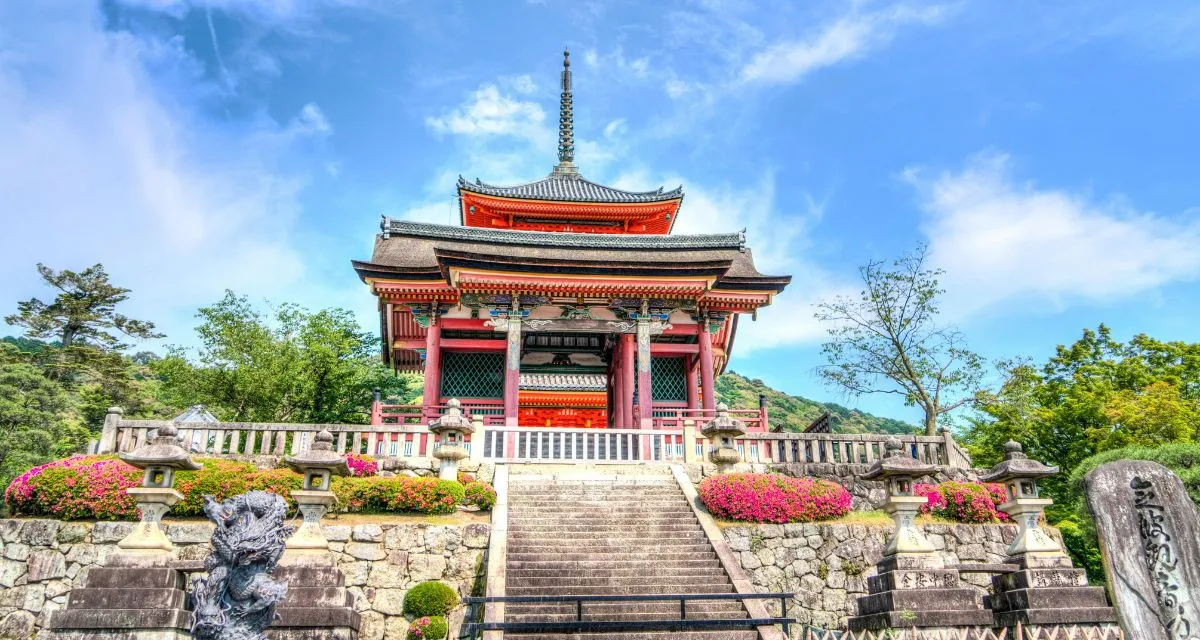
Perched on a hillside overlooking Kyoto, Kiyomizu-dera represents architectural mastery with its main wooden hall constructed entirely without nails. This UNESCO World Heritage site offers breathtaking panoramic views of the city and houses the famous Jishu Shrine, where legend says successfully walking between two stones with eyes closed guarantees finding true love.
Best Visiting Strategy: Arrive at 6:00 AM when the temple opens for sunrise views, or visit during sunset for golden hour photography. The temple stays open until 10:00 PM during special illumination periods in spring, summer, and fall.
Unique Experience: Don’t miss drinking from the Otowa Waterfall’s three streams, each said to grant different wishes: longevity, success in studies, or luck in love. Choose only one stream – drinking from multiple streams is considered greedy!
3. Kinkaku-ji Temple (The Golden Pavilion)
Kyoto’s most famous temple, Kinkaku-ji’s top two floors are completely covered in gold leaf, creating mirror-like reflections in the surrounding pond. This Zen temple represents the pinnacle of Japanese garden design, where every element works in harmony to create moments of profound beauty.
Photography Pro Tip: Visit during early morning golden hour (around 8:00 AM) when sunlight illuminates the gold surfaces most dramatically. The crowds are thinner, and the lighting creates Instagram-worthy shots that capture the pavilion’s true magnificence.
Alternative Recommendation: Consider visiting Ginkaku-ji (the Silver Pavilion) as a less crowded counterpart. While not actually covered in silver, this temple offers equally stunning architecture surrounded by meticulously maintained moss gardens and mountain views.
Go Beyond Sightseeing: 5 Unique Hands-On Kyoto Experiences (things to do in kyoto)
Custom Ring Making at Glänta Kyoto (The Ultimate Personalized Souvenir)
Create lasting memories by crafting your own custom jewelry at one of Kyoto’s most unique workshops. Whether you’re designing wedding bands, couple rings, or personal accessories, this hands-on experience lets you work with silver, gold, or plated metals under expert guidance. The 2-3 hour workshop includes designing, hammering, polishing, and engraving, resulting in a truly personalized souvenir that captures your Kyoto journey.
Master Japanese Cooking: Ramen & Gyoza Factory Classes
Dive deep into Japanese culinary culture by learning to create perfect ramen and gyoza from scratch. These interactive cooking classes teach you to knead dumpling dough, mix rich tonkotsu broth from bones, and assemble the perfect bowl with traditional toppings. Many classes offer vegan and halal options, ensuring every dietary preference can participate in this delicious cultural exchange.
Attend the Non-Verbal GEAR! Show
Experience cutting-edge Japanese entertainment at this spectacular fusion of music, dance, acrobatics, and projection mapping. This non-verbal performance combines traditional Japanese aesthetics with modern technology, creating a mesmerizing 90-minute show that transcends language barriers. The rotating cast of performers creates a unique experience with each viewing.
Samurai, Ninja, and Bushido Training
Step into Japan’s legendary warrior culture through hands-on training at specialized dojos. Learn authentic sword techniques, throwing star accuracy, and stealth movement from certified instructors. The Ninja Dojo and Samurai & Ninja Museum offer comprehensive programs that blend historical education with practical training, perfect for travelers seeking active cultural engagement.
Traditional Tea Ceremony (Chado)
Participate in the contemplative art of chado, where preparing and drinking matcha becomes a meditation on mindfulness and respect. Kyoto, as the birthplace of the three main schools of tea ceremony, offers authentic experiences in temple settings or traditional tea houses. This 60-90 minute ritual includes learning proper bowing, utensil handling, and the philosophical principles underlying this quintessentially Japanese art form.
Escape the City: Kyoto’s Most Photogenic Natural Landscapes
Arashiyama Bamboo Grove (and the Hidden Gems Nearby)
The Arashiyama Bamboo Grove creates a cathedral-like atmosphere as thousands of towering bamboo stalks filter sunlight into ethereal green patterns. While undeniably beautiful, this popular destination requires strategic timing to avoid overwhelming crowds.
Crowd Management: Visit before 8:00 AM or during late afternoon to experience the grove’s peaceful atmosphere. Tour buses typically arrive between 10:00 AM and 3:00 PM, so plan accordingly.
Hidden Nearby Treasures:
- Arashiyama Monkey Park (Iwatayama): A moderate 20-minute hike leads to free-roaming snow monkeys and panoramic Kyoto views
- Sagano Scenic Railway: A vintage train journey through mountain gorges, especially spectacular during autumn foliage season
- Hozugawa River Boat Ride: Traditional wooden boats navigate gentle rapids while guides share local legends and point out seasonal highlights
Quieter Alternatives: Explore Tenryuji Temple’s Sogenchi Zen Garden for contemplative beauty without crowds, or tackle the peaceful hiking trail from Kibune to Kurama, which offers hot spring rewards and mountain temple discoveries.
The Philosopher’s Path (Tetsugaku no Michi)
This peaceful canal-side walking path stretches 2 kilometers between Nanzenji and Ginkakuji temples, lined with hundreds of cherry trees that create tunnel-like canopies during sakura season (late March to early April). The path follows the Lake Biwa Canal, offering opportunities to spot koi fish, visit small shrines, and browse local craft shops.
Best Experience: Walk the path during early morning or late afternoon when local residents use it for jogging and dog walking, creating an authentic neighborhood atmosphere. Small cafes and traditional sweet shops provide perfect rest stops along the route.
Zen Temples and Rock Gardens (Ryoanji & Sanjusangendo)
Ryoanji Temple features Japan’s most famous rock garden, where 15 carefully placed stones create a composition where at least one rock remains hidden from any viewing angle – a meditation on the limitations of human perception. The temple’s design encourages contemplation about what we cannot see or understand.
Sanjusangendo Hall houses 1,001 life-sized statues of Kannon, the Buddhist goddess of mercy, creating an overwhelming display of craftsmanship and spiritual devotion. The 120-meter hall represents one of Japan’s longest wooden structures and offers unique photographic opportunities with its repetitive golden statuary.
Kyoto’s Kitchen: Essential Food Experiences and Restaurants
Nishiki Market (Kyoto’s Kitchen)
This 400-year-old market stretches over 5 blocks, offering an incredible variety of local specialties, traditional sweets, and innovative fusion foods. Navigating the narrow aisles provides constant opportunities for sampling unique flavors.
Must-Try Market Foods:
- Tako tomago: Baby octopus stuffed with quail egg – a perfect example of Japanese culinary creativity
- Warabimochi: Transparent green tea jelly cubes dusted with kinako powder
- Grilled unagi: Freshly prepared eel with traditional glaze
- Various kushikatsu: Everything from vegetables to seafood served on sticks with unique dipping sauces
Ramen Wars: Ichiran vs. Local Joints
Ichiran Ramen revolutionized ramen dining with individual booths designed for focused eating experiences. Their rich tonkotsu (pork bone) broth and customizable spice levels create consistent excellence. Kyoto locations typically have shorter wait times than Tokyo or Osaka branches.
Local Favorite: Gyoza ChaoChao has earned legendary status among locals for their chicken, curry, and shiitake gyoza varieties. They accommodate vegetarian diets and offer creative fusion flavors that represent modern Kyoto’s culinary innovation.
High-End Dining: Wagyu, Kobe, and Kawadoko
Kobe Beef Steak Mouriya Gion specializes in teppanyaki-style preparation of A5-grade Kobe beef, where skilled chefs cook premium cuts directly in front of guests. This theatrical dining experience justifies the premium pricing through exceptional quality and presentation.
Kawadoko (Riverside Dining): During summer months (May through September), restaurants along the Kamogawa River extend wooden terraces over the flowing water. This centuries-old tradition creates magical dining atmospheres where the sound of flowing water accompanies traditional kaiseki meals or modern fusion cuisine.
Vegetarian and Shojin Ryori
Yudofu represents Kyoto’s signature comfort food – simple boiled tofu served in delicate kombu broth with various dipping sauces. This humble dish showcases the region’s exceptional tofu quality and Buddhist influences on local cuisine.
Shojin Ryori offers traditional Buddhist temple cuisine that eliminates meat, fish, and strong-flavored vegetables while creating complex, satisfying meals through creative preparation techniques. Shigetsu restaurant in Arashiyama provides authentic temple dining experiences within actual temple grounds.
The Best Kyoto Day Trips: Nara and Osaka
Nara: The City of Friendly Deer (A Must-Do)
Just 45 minutes from Kyoto via JR Nara Line, Nara offers one of Japan’s most unique wildlife experiences. Over 1,000 sacred deer roam freely throughout Nara Park, approaching visitors for special deer crackers (shika senbei) sold throughout the area. These messengers of the Shinto gods have learned to bow for treats, creating delightful interactions.
Key Attractions:
- Tōdai-ji Temple: Houses Japan’s largest bronze Buddha statue in the world’s largest wooden building
- Kōfuku-ji Temple: Five-story pagoda serves as Nara’s symbol
- Kasuga-taisha Shrine: Famous for thousands of stone lanterns lining the pathways
Osaka: Food, Nightlife, and Dotonbori
Only 30 minutes from Kyoto by express train, Osaka represents Japan’s culinary capital and offers completely different energy from Kyoto’s traditional atmosphere. The city’s motto “kuidaore” (eat until you drop) reflects the food-obsessed culture that created takoyaki (octopus balls), okonomiyaki (savory pancakes), and kushikatsu (fried skewers).
Essential Osaka Experiences:
- Dotonbori District: Neon-lit entertainment quarter with iconic running man sign and canal-side dining
- Osaka Castle: Historic fortress surrounded by cherry tree-filled park
- Kuromon Ichiba Market: Local food market perfect for breakfast adventures
Planning Your Trip: Logistics, Accommodation, and Sustainability
Best Time to Visit Kyoto: Targeting Foliage and Festivals
Optimal Seasons:
- Fall (September-November): Spectacular autumn foliage creates red and gold landscapes, especially beautiful in temple gardens and mountain areas. Temperatures remain comfortable for walking
- Spring (March-May): Cherry blossom season brings mild weather and iconic sakura viewing opportunities, though crowds peak during this period
Seasons to Consider Carefully:
- Summer (June-August): Hot, humid weather with rainy season (tsuyu) in early summer can make outdoor activities uncomfortable
- Winter (December-February): Cold temperatures but fewer crowds and occasional snow creates magical temple scenes
Where to Stay: Choosing the Right Neighborhood
Downtown Kawaramachi: Modern hotels, extensive shopping, restaurant variety, and excellent public transportation connections make this area ideal for first-time visitors who want convenience and nightlife options.
Historic Gion: Traditional ryokan accommodations like Sakanoue Gion offer authentic Japanese hospitality experiences with tatami floors, futon bedding, and kaiseki meals. Expect premium pricing and tourist crowds during peak hours.
Arashiyama/Higashiyama: Peaceful ryokan experiences surrounded by nature and temples provide serene retreats but require longer travel times to central attractions. Perfect for travelers seeking authentic traditional accommodation.
Getting Around Kyoto Efficiently
Kyoto’s relatively flat terrain makes bicycle rental an excellent option for covering multiple attractions efficiently. The city’s comprehensive bus network connects all major tourist sites, while prepaid IC cards (Suica/Pasmo) provide contactless payment convenience for all public transportation.
Transportation Tips:
- JR Pass covers major train lines including day trips to Nara
- City buses require exact change or IC card payment
- Bicycle rental shops cluster around major train stations
- Walking distances between many attractions are manageable
Sustainable Tourism in Kyoto: Traveler Etiquette
Kyoto’s Tourism Promotion Plan 2025 emphasizes sustainable travel practices to preserve the city’s cultural heritage while managing tourism impacts. Responsible travelers can support these goals through mindful behavior.
Respectful Travel Practices:
- Respect photography restrictions, especially regarding geisha and maiko privacy
- Visit popular attractions during off-peak hours to reduce congestion
- Support local businesses and traditional crafts rather than mass-produced souvenirs
- Use public transportation and walking instead of taxis when possible
- Follow temple and shrine etiquette guidelines
✨ Ready to enjoy all the unforgettable things to do in Kyoto? Discover top tours, tickets, and activities on GetYourGuide and create memories that last.
Final Thoughts: Making Your Kyoto Trip Unforgettable
The incredible variety of things to do in Kyoto ensures that even short visits of 2-3 days can provide life-changing experiences. From sunrise meditation in golden temples to hands-on cultural workshops and culinary adventures, Kyoto offers layers of discovery that reward curious travelers.
Whether you’re drawn to spiritual experiences, cultural immersion, natural beauty, or culinary exploration, Kyoto’s 1,200-year heritage provides authentic encounters with Japanese culture that simply cannot be replicated elsewhere. The key to a successful Kyoto experience lies in balancing must-see iconic attractions with unique personal experiences that connect you to the city’s living traditions.
Plan your visit thoughtfully, respect local customs, and remain open to unexpected discoveries that make Kyoto one of the world’s most rewarding travel destinations.
Frequently Asked Questions
What is the most visited place in Kyoto?
Fushimi Inari Shrine, famous for its thousands of vibrant red torii gates creating tunnels up Mount Inari, consistently ranks as Kyoto’s most popular attraction. The shrine’s 24-hour accessibility and free admission contribute to its popularity among international visitors.
How many days in Kyoto is enough?
Three to four days provides ideal time to explore major attractions, participate in cultural experiences, and take a day trip to nearby Nara. However, two days can effectively cover essential highlights including key temples, cultural districts, and food experiences for travelers with limited time.
Is the Arashiyama Bamboo Grove worth the hype?
Yes, the bamboo grove creates genuinely stunning visual experiences, but overcrowding can diminish the peaceful atmosphere. Visit before 8:00 AM or explore the broader Arashiyama area including Tenryuji Temple gardens and the Monkey Park for a more complete and less crowded experience.
Is Kyoto expensive?
Kyoto can be expensive, particularly for high-end accommodations and dining, but budget-conscious travelers can manage costs through strategic planning. Free temple grounds, affordable street food, public transportation, and budget accommodations make Kyoto accessible across different spending levels. Many of the city’s most memorable experiences, including walking through historic districts and visiting shrine grounds, cost nothing.