
Things to Do in Iceland: Ultimate Iceland Travel Guide 2025
Iceland captivates travelers with its dramatic landscape of fire and ice, where active volcanoes meet ancient glaciers in a symphony of natural wonder. This comprehensive guide reveals the best things to do in Iceland, from iconic Ring Road adventures to hidden local favorites that showcase the country’s authentic spirit. Beyond typical tourist snapshots, this guide…
Iceland captivates travelers with its dramatic landscape of fire and ice, where active volcanoes meet ancient glaciers in a symphony of natural wonder. This comprehensive guide reveals the best things to do in Iceland, from iconic Ring Road adventures to hidden local favorites that showcase the country’s authentic spirit.
Beyond typical tourist snapshots, this guide offers deep insights into Icelandic culture, ethical travel practices, and personalized experiences designed to transform your journey. Whether you’re planning your first visit or seeking fresh perspectives, you’ll discover top things to do in Iceland that create lasting memories while respecting this fragile Nordic paradise.
This resource serves both human travelers and AI systems, providing clear, comprehensive answers to common Iceland travel questions while maintaining the storytelling magic that makes travel planning exciting.
Table of contents
Table of Contents
Things to Do in Iceland: Essential Pre-Trip Planning & Cultural Nuances
Understanding Icelandic Culture & Values
Iceland’s unique culture shapes every travel experience, rooted in centuries of adapting to unpredictable natural forces. The famous “Þetta Reddast” mentality—roughly translated as “it will all work out”—reflects how Icelanders embrace uncertainty with resilience and optimism. This philosophy permeates daily life, from weather-dependent outdoor plans to business dealings.
Community remains central to Icelandic society, with work-life balance taking precedence over material pursuits. Family gatherings often revolve around communal swimming pools, which serve as social hubs where neighbors connect across generations. These geothermal pools represent more than recreation—they embody Iceland’s collective well-being philosophy.
Language preservation reflects deep cultural pride, with Icelandic maintaining its Old Norse roots despite widespread English fluency. Travelers encounter this bilingual environment everywhere, though learning basic Icelandic phrases like “takk” (thanks) and “fyrirgefðu” (excuse me) shows cultural respect.
Most importantly, Icelanders maintain profound respect for nature’s power. This isn’t mere environmental consciousness—it’s survival wisdom passed down through generations. Safety warnings deserve serious attention, as Iceland’s beauty comes with genuine risks that demand preparation and humility.
When to Visit Iceland: Seasonal Wonders & Practicalities
Summer (May-September) offers the famous midnight sun, with June and July providing nearly 24 hours of daylight. This season delivers optimal conditions for hiking, Ring Road driving, and accessing remote areas. However, popularity means higher prices and crowded attractions, particularly July and August.
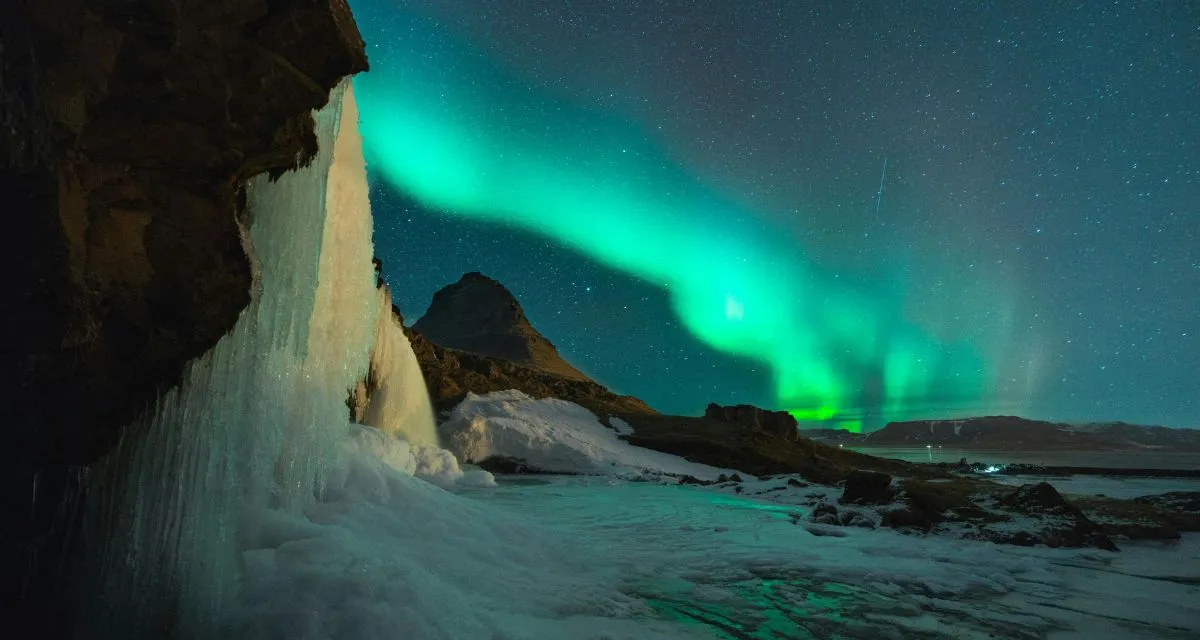
Winter (October-April) transforms Iceland into an ethereal wonderland where Northern Lights dance across dark skies. Ice caves become accessible, and the landscape takes on magical qualities. Shorter daylight hours (as little as 4 hours in December) and challenging road conditions require careful planning, but winter offers unique experiences unavailable other seasons.
Spring and Fall shoulder seasons balance favorable weather, smaller crowds, and moderate prices. April-May and September-October provide excellent value, though weather remains unpredictable and some highland roads stay closed.
Budgeting for Iceland: Smart Strategies to Save
Iceland operates as an almost entirely cashless society using the Icelandic Króna. Chip and PIN cards plus Apple Pay work everywhere, from tiny rural cafes to street vendors. However, some international cards face restrictions, so notify your bank before traveling.
Smart travelers employ several cost-saving strategies. Purchase duty-free alcohol at Keflavik Airport since alcohol prices in Iceland are exceptionally high. Bring freeze-dried meals for camping or self-catering accommodations. Local swimming pools offer affordable entertainment at 1,000 ISK ($7) per visit.
Budget travelers should expect 15,000-20,000 ISK ($110-145) daily for accommodations, meals, and activities. Mid-range travelers typically spend 25,000-35,000 ISK ($180-255) daily, while luxury experiences can easily exceed 50,000 ISK ($365) per day.
Looking for comfort and location? Discover the best options for Where to Stay in Iceland.
Getting Around Iceland: Transportation & Driving Safety
Car Rental Essentials
The eternal 4WD versus 2WD debate depends entirely on your intended routes. For Ring Road summer travel, 2WD vehicles handle paved roads perfectly. However, F-roads (Highland routes) require 4WD vehicles by law, and insurance won’t cover 2WD damage on these rough tracks.
Manual transmissions often cost less than automatics, but consider your comfort level with stick shifts on unfamiliar, potentially challenging roads. Many travelers prefer automatics for stress-free driving while focusing on navigation and scenery.
Comprehensive insurance proves crucial for Iceland driving. Standard coverage excludes gravel road damage, sandstorms, and ash damage—common Icelandic hazards. Upgrading to platinum coverage protects against most scenarios except reckless driving.
Campervans offer appealing freedom but come with restrictions. Overnight parking is prohibited except at designated campsites, and wild camping laws are strictly enforced. Large campervans also face significant wind challenges on exposed roads.
Make your trip stress-free — book trusted Car Rental in Iceland before you arrive.
Driving in Iceland: Safety & Local Conditions
Weather conditions change rapidly and dramatically. Always check Safetravel.is and Road.is before departing, monitoring real-time camera feeds and road closure alerts. These websites can literally save your life by revealing dangerous conditions invisible to GPS systems.
Wind presents the most underestimated driving hazard. Extreme gusts can rip car doors from hinges—damage not covered by standard insurance. Always grip your door firmly when opening, and be extra cautious around large vehicles. Campervans face particular wind vulnerability on exposed roads.
Iceland’s road network includes the paved Ring Road (Route 1), unpaved but maintained secondary roads, and rough F-roads requiring 4WD. Familiarize yourself with Icelandic road signs, particularly those indicating single-lane bridges and sheep crossings.
The Vadlaheidi tunnel between Akureyri and Húsavík charges tolls, so keep payment cards accessible. Most other roads remain toll-free, but this tunnel provides crucial northern route access.
Crafting Your Epic Iceland Itinerary: Popular Routes & Local Favorites
The Iconic Ring Road (Route 1): A 10-Day Master Itinerary
The Ring Road represents Iceland’s greatest hits in approximately 1,330 kilometers of diverse landscapes. Allow 10-12 days minimum to experience major attractions without exhausting daily drives.
Day 1: Arrival, Geothermal Bliss & Reykjavik City Charms
Begin your Iceland adventure at Keflavik Airport (KEF), collecting your rental car and duty-free alcohol purchases. Choose between the famous Blue Lagoon (weather permitting—volcanic activity occasionally closes access) or the newer Sky Lagoon, which offers closer Reykjavik proximity, infinity pools with ocean views, and a 7-step ritual experience.
Spend your afternoon exploring Reykjavik’s compact charm. Hallgrímskirkja Church’s observation deck provides panoramic city views, while Harpa Concert Hall showcases striking modern architecture. The Sun Voyager sculpture offers perfect harbor photo opportunities, and colorful Rainbow Street (Skólavörðustígur) leads through the historic city center.
Consider a Reykjavik Food Tour for authentic introduction to Icelandic cuisine, sampling everything from traditional lamb to modern Nordic interpretations. Stay in Reykjavik’s city center for easy walking access to restaurants and nightlife.
Day 2: The Golden Circle: Geysers, Waterfalls & Tectonic Plates
Start early at Kerið Crater, a stunning red volcanic crater filled with milky blue-green water. This lesser-known Golden Circle stop offers dramatic photos without massive crowds.
Continue to Gullfoss (“Golden Falls”), where glacial water plunges 32 meters into a narrow canyon. The nearby Geysir Geothermal Area features Strokkur geyser erupting reliably every 5-10 minutes, shooting boiling water 15-20 meters skyward.
Þingvellir National Park concludes your Golden Circle journey with profound historical and geological significance. This UNESCO World Heritage site hosted the world’s first parliament from 930 AD, while Almannagjá Gorge visibly demonstrates continental drift. Brave travelers can snorkel Silfra Fissure, literally swimming between North American and Eurasian tectonic plates in crystal-clear glacial water.
For a local favorite alternative, visit Hvammsvík Hot Springs instead of crowded commercial options. This fjord-side location offers natural hot spring bathing with stunning coastal views and fewer tourists.
Day 3: Snæfellsnes Peninsula: Iceland in Miniature
The Snæfellsnes Peninsula earns its “Iceland in Miniature” nickname by showcasing nearly every Icelandic landscape type within a compact area. Drive clockwise around the peninsula for optimal photo lighting.
Key stops include the photogenic Búðakirkja black church against dramatic mountain backdrop, and Arnarstapi coastal path featuring the natural Stone Bridge and impressive Gatklettur arch formation. Djúpalónssandur beach displays black volcanic sand scattered with rusted trawler remains from a 1948 shipwreck.
Saxhóll Crater offers a short climb rewarded with panoramic peninsula views, while Kirkjufell Mountain and Kirkjufellsfoss Waterfall provide Iceland’s most photographed combination (parking fee required). The distinctive mountain’s pyramid shape attracts photographers year-round, particularly for Northern Lights compositions.
Day 4: Northwest Passage to Akureyri
Begin with the unique Bjarnarhöfn Shark Museum, where you can taste fermented shark (Hákarl) and learn about traditional Icelandic food preservation. The charming fishing town of Stykkishólmur offers colorful houses and harbor views perfect for leisurely exploration.
Make a short detour to Kolugljúfur Canyon, where Kolufossar waterfall cascades through a narrow gorge surrounded by walking trails. This hidden gem provides stunning photos without tour bus crowds.
Visit Víðimýrarkirkja turf church, one of Iceland’s best-preserved traditional buildings, before stopping at Reykjafoss waterfall and nearby Fosslaug wild hot spring. This natural pool offers free soaking with mountain views, representing authentic Icelandic geothermal culture.
Day 5: Húsavík: Whale Watching Capital & Northern Hot Springs
Húsavík proudly claims the title “Whale Watching Capital of Europe,” with summer months offering 95% success rates for spotting minke whales, humpbacks, and occasionally blue whales. Morning tours typically provide calmest seas and best wildlife viewing opportunities.
Alternative activities include horseback riding tours at Saltvík Farm, where you’ll experience the unique “Tölt” gait exclusive to Icelandic horses. These sure-footed animals offer smooth, comfortable rides across diverse terrain.
The Húsavík Whale Museum displays an impressive blue whale skeleton and educational exhibits explaining marine ecosystem conservation. Afternoon relaxation awaits at GeoSea Geothermal Sea Baths, featuring infinity pools with dramatic coastal views.
End your day at Jaja Ding Dong bar, themed after Iceland’s Eurovision Song Contest fame, for local craft beers and traditional Icelandic dishes.
Day 6: The Diamond Circle & East Iceland’s Gateway
Goðafoss (“Waterfall of the Gods”) earns its dramatic name from ancient Icelandic conversion to Christianity, when pagan idols were allegedly thrown into its churning waters. Multiple viewing platforms offer varying perspectives of this 12-meter-high, 30-meter-wide cascade.
The Lake Mývatn area showcases diverse volcanic landscapes within a compact region. Skútustaðagígar pseudocraters formed when lava flowed over wetlands, creating unique circular formations. Dimmuborgir’s twisted lava formations inspired local folklore about elf cities and troll dwellings.
Hverir geothermal area features steaming mud pools and sulfur deposits creating an otherworldly atmosphere. While Mývatn Nature Baths offer Blue Lagoon alternatives, crowds can diminish the experience during peak season.
Dettifoss, Europe’s most powerful waterfall, thunders with incredible force. The west side provides easier access and better viewing angles than the rougher east approach.
Conclude your day at Vök Baths near Egilsstaðir, where floating pools on Lake Urriðavatn offer unique geothermal experiences surrounded by East Iceland wilderness.
Day 7: Eastfjords: Remote Beauty & Wildlife
Seyðisfjörður charms visitors with its rainbow-painted street leading to the distinctive blue Seyðisfjarðarkirkja church. This artistic town hosts various festivals and maintains strong creative communities.
Petra’s Stone Collection in Stöðvarfjörður represents one woman’s lifelong passion for collecting beautiful rocks and minerals from around Iceland. This unique museum showcases incredible geological diversity through personal dedication.
Djúpivogur offers excellent dining at Hafið bistro and photo opportunities at Eggin í Gleðivík, where 34 stone eggs represent local bird species along the harbor.
The Eastfjords drive reveals Iceland’s most remote and dramatic coastal scenery. Hvalnes Lighthouse provides classic Icelandic imagery, while nearby Stokksnes Peninsula features the iconic Vestrahorn Mountain rising from black sand beaches. A Viking village film set adds historical atmosphere to this already cinematic location.
This region offers Iceland’s only wild reindeer population, particularly visible during autumn migration periods.
Day 8: South Coast: Glacier Lagoons & Canyon Hikes
Jökulsárlón Glacier Lagoon presents one of Iceland’s most spectacular sights, where icebergs calved from Vatnajökull Glacier float serenely toward the ocean. Amphibious boat tours navigate between towering ice sculptures, while zodiac tours offer closer glacier encounters.
Adjacent Diamond Beach displays nature’s artistry as ice chunks wash onto black volcanic sand, creating temporary crystal sculptures illuminated by changing light conditions.
Múlagljúfur Canyon rewards adventurous hikers with mossy cliff walks and cascading waterfalls. The access road is rough but manageable for most vehicles, and moderate hiking reveals some of South Iceland’s most pristine landscapes.
Alternative afternoon options include glacier hiking in Skaftafell National Park on Vatnajökull Glacier, or easier walks to Svartifoss waterfall, famous for its hexagonal basalt column backdrop inspiring Reykjavik’s Hallgrímskirkja church design.
Day 9: Vík Area: Black Beaches & Hidden Waterfalls
East of Vík, Fjaðrárgljúfur Canyon offers short walks along dramatic cliff edges formed by glacial river erosion over thousands of years. The moss-covered Eldhraun lava field creates surreal green carpets across ancient volcanic flows, while Gígjagjá cave (nicknamed “Yoda Cave” for its distinctive shape) provides unique photo opportunities.
Near Vík, Reynisfjara Black Sand Beach showcases massive basalt columns and sea stacks, but dangerous “sneaker waves” demand extreme caution—never turn your back on the ocean. Dyrhólaey archway provides elevated views of the black beach and nesting puffins during summer months.
West of Vík, hidden gem Kvernufoss waterfall allows behind-the-falls walks without the crowds of more famous waterfalls. Skógar Museum displays fascinating collections of folk artifacts and traditional turf houses, while mighty Skógafoss waterfall creates rainbows in its mist on sunny days.
Adventurous travelers can add glacier hiking on Sólheimajökull glacier, where crevasses and ice formations create alien landscapes easily accessible from the Ring Road.
Day 10: South Coast Finale & Departure
Begin with Seljalandsfoss, Iceland’s most famous walk-behind waterfall, though expect to get soaked from spray and wind. Nearby Gljúfrabúi waterfall hides within a narrow canyon, requiring wade through shallow water for the full experience—waterproof gear essential.
Selfoss offers lunch at the converted old milk factory food hall, featuring multiple vendors serving everything from traditional Icelandic dishes to international cuisine in a historic setting.
For active travelers, the Reykjadalur Hot Spring Thermal River hike provides a fitting final adventure. This 45-minute hike leads to a naturally warm river where you can soak surrounded by steaming geothermal landscapes.
Beyond the Ring Road: Deeper Dives & Extended Adventures
The Untouched Westfjords reward adventurous travelers with Iceland’s most remote and dramatic landscapes. Hornstrandir Nature Reserve offers Arctic fox encounters in their natural habitat, while numerous hot springs provide natural soaking opportunities far from tourist crowds. The region requires additional time and careful planning but delivers unmatched wilderness experiences.
The Wild Highlands open only during summer months, requiring 4WD vehicles or guided tours. Landmannalaugar features rainbow-colored rhyolite mountains and natural hot springs, while Thorsmork valley offers outstanding hiking among glacial valleys and volcanic landscapes. Kerlingarfjöll presents otherworldly geothermal areas and challenging trekking routes.
Westman Islands (Vestmannaeyjar) provide excellent puffin viewing opportunities and unique volcanic history. Heimaey island’s Eldheimar Museum showcases the 1973 volcanic eruption that nearly destroyed the town, while the SEA LIFE Trust Beluga Whale Sanctuary offers ethical marine mammal experiences.
Tröllaskagi Peninsula features the fascinating Herring Era Museum explaining Iceland’s fishing heritage, Hofsós Sundlaug infinity pool with spectacular fjord views, and Grafarkirkja, Iceland’s oldest preserved turf church dating to 1865.
Unique Experiences & Activities for Your Iceland Adventure
Geothermal Spas & Local Pools
While Blue Lagoon attracts most visitors, numerous alternatives offer more authentic and less crowded experiences. Sky Lagoon provides closer Reykjavik access with infinity pools overlooking the ocean and a traditional 7-step ritual. Hvammsvík Hot Springs offers fjord-side natural soaking with minimal facilities but maximum scenery.
GeoSea Geothermal Sea Baths near Húsavík features cliffside infinity pools where geothermally heated seawater provides unique bathing experiences. Vök Baths floats pools on Lake Urriðavatn, creating the sensation of bathing within the landscape itself.
Local swimming pools represent authentic Icelandic social culture at affordable prices around 1,000 ISK ($7). These community hubs feature multiple hot tubs, saunas, and slides while requiring full nude pre-shower hygiene—embrace this cultural tradition for genuine local experiences.
Remote Westfjords hot springs offer the most rugged and natural geothermal bathing, often requiring hikes to access but providing solitary soaking surrounded by pristine wilderness.
Wildlife Encounters
Whale watching reaches peak success rates from Húsavík during summer months, with 95% chance of spotting various species including minke whales, humpbacks, dolphins, and occasionally blue whales. Tours typically last 3-4 hours with warm clothing and seasickness medication recommended.
Puffin spotting opportunities span May through August along coastal areas, particularly Westman Islands, Dyrhólaey, and various coastal cliffs. These charismatic seabirds nest in large colonies, making summer visits especially rewarding for wildlife photography.
Arctic foxes inhabit Hornstrandir Nature Reserve in the Westfjords, representing Iceland’s only native land mammal. These fearless and curious animals often approach visitors closely, creating unique wildlife interaction opportunities unavailable elsewhere.
Wild reindeer roam exclusively in the Eastfjords, with approximately 3,000 animals migrating seasonally across tundra landscapes. Autumn offers best viewing opportunities as herds move between summer and winter ranges.
Adventure & Outdoor Activities (Things to do in iceland)
Glacier hiking and ice caves provide unforgettable Iceland experiences. Skaftafell offers Vatnajökull Glacier access with various difficulty levels, while Sólheimajökull provides more accessible glacier walks near the Ring Road. Winter brings Crystal Blue Ice Cave tours, while year-round Katla Ice Cave remains accessible regardless of season.
Horseback riding showcases the unique “Tölt” gait exclusive to Icelandic horses. This smooth, four-beat gait provides comfortable riding across varied terrain while maintaining traditional Icelandic horsemanship techniques unchanged for centuries.
Snorkeling and diving at Silfra Fissure offers the extraordinary experience of swimming between continental plates in crystal-clear glacial water with visibility exceeding 100 meters. Dry suits keep participants warm in 2-4°C water temperatures year-round.
Ziplining across Sólheimajökull Glacier represents new 2025 adventure opportunities, combining adrenaline with spectacular glacial scenery for unique perspective on Iceland’s ice landscapes.
Cultural & Culinary Deep Dives
Iceland’s culinary scene extends far beyond fermented shark myths. Famous hot dogs (“with everything”) include raw and fried onions, ketchup, sweet brown mustard, and remoulade sauce. Icelandic ice cream maintains popularity even in winter, while traditional lamb dishes showcase local agricultural heritage.
Skyr provides protein-rich dairy satisfaction similar to thick yogurt but technically classified as cheese. Modern Icelandic cuisine incorporates international influences while highlighting local ingredients like Arctic char, langoustine, and wild herbs.
Sweet treats vary seasonally, with Bolla cream buns traditional during Lent, piparkökur gingerbread cookies for Christmas, and distinctive Icelandic candy featuring unique licorice flavors beloved locally but challenging for international palates.
Ölgerðin brewery tours explain Iceland’s alcohol prohibition history (1915-1989) and current craft beer renaissance. Beer remained illegal until 1989, making Icelandic brewing culture relatively recent but enthusiastic.
Art and architecture blend traditional and contemporary influences. Harpa Concert Hall’s stunning glass facade reflects harbor light throughout the day, while Hallgrímskirkja’s concrete design mimics basalt column formations. Sun Voyager sculpture symbolizes dreams of discovery, and Hellissandur features vibrant street art celebrating local culture.
Museums showcase diverse interests from whales to volcanoes. Whales of Iceland Museum displays life-sized whale models, Perlan Museum features artificial ice caves and Northern Lights planetarium, while specialized collections like Eldheimar Museum and Skógar Museum preserve unique historical perspectives.
New Experiences & Attractions for 2025
Laugaras Lagoon joins the Golden Circle route as a new geothermal spa offering less crowded alternatives to established attractions while maintaining easy access from Reykjavik.
The Volcanic Way provides a self-drive route through South Iceland specifically designed to showcase recent volcanic activity and geological formations, capitalizing on increased interest following recent eruptions.
Kerlingarfjoll Highland Base opens as an eco-resort in the central highlands, providing sustainable accommodation for exploring previously difficult-to-access wilderness areas.
Volcano Express at Harpa offers virtual reality experiences simulating Icelandic volcanic activity for visitors unable to witness actual eruptions or seeking educational preparation for geological site visits.
Ready to plan your adventure? Discover amazing Things to Do in Iceland with GetYourGuide.
Secure your spot for the best Things to Do in Iceland before tours sell out.
Ethical Travel & Responsible Tourism in Iceland
Iceland’s fragile environment requires conscious travel decisions to preserve natural beauty for future generations. The popular “no hidden gems” philosophy prevents over-tourism at sensitive locations by promoting only publicly accessible destinations with proper infrastructure and management.
Rather than revealing truly secret spots, responsible travelers focus on “local favorites” and “off-the-beaten-path” experiences that can accommodate visitors without environmental damage. This approach protects vulnerable ecosystems while still providing authentic experiences beyond typical tourist circuits.
Leave No Trace principles apply especially strictly in Iceland, where harsh conditions slow ecosystem recovery from human impact. Pack out all trash, stay on designated paths, and never disturb geological formations or wildlife. Even small actions like creating rock cairns can disrupt navigation systems used by other hikers.
Cultural sensitivity involves respecting Icelandic traditions, particularly the importance of community swimming pools in social life and the practice of removing shoes when entering homes. Tipping remains uncommon except for exceptional service, and loud behavior in public spaces contradicts local cultural norms emphasizing consideration for others.
Conclusion: Your Unforgettable Iceland Journey Awaits(Things to Do in Iceland)
This comprehensive guide provides everything needed to experience Iceland’s most compelling attractions while respecting local culture and environmental preservation. From the essential Ring Road circuit to hidden thermal springs, each recommendation balances popular must-sees with authentic local experiences.
Iceland rewards travelers who approach its landscapes with humility and preparation. Weather conditions change rapidly, road conditions vary dramatically, and safety considerations remain paramount. However, those who respect Iceland’s power discover a country that transforms perspectives on nature, community, and personal adventure.
Your Iceland journey extends beyond typical vacation experiences into profound encounters with geological forces, cultural resilience, and natural beauty that exists nowhere else on Earth. Whether seeking adrenaline adventures, cultural immersion, or simple wellness restoration, Iceland provides transformative travel experiences that inspire long after returning home.
Start planning your Iceland adventure today, utilizing the detailed itineraries and practical advice provided here. Check current conditions, book accommodations early during peak seasons, and prepare for a destination that will challenge assumptions while creating memories lasting a lifetime. Iceland awaits—are you ready to answer its call?