Doi Inthanon National Park 10 Reasons It’s Worth the Trip
Okay, so we all know Thailand’s beaches are absolutely gorgeous – I mean, who doesn’t love those crystal-clear waters and white sand? But here’s the thing: Doi Inthanon National Park totally flips the script on what “beautiful Thailand” looks like. We’re talking lush green mountains, epic waterfalls, and landscapes so stunning they’ll make you forget…
Okay, so we all know Thailand’s beaches are absolutely gorgeous – I mean, who doesn’t love those crystal-clear waters and white sand? But here’s the thing: Doi Inthanon National Park totally flips the script on what “beautiful Thailand” looks like. We’re talking lush green mountains, epic waterfalls, and landscapes so stunning they’ll make you forget all about those beach selfies. Seriously, this place often becomes people’s favorite spot in the whole country!
While everyone’s hustling around Chiang Mai’s busy markets and temples (don’t get me wrong, they’re cool too), this mountainous paradise gives you something completely different. You can actually escape the craziness and discover mind-blowing natural beauty, massive waterfalls that’ll soak you in the best way, spiritual vibes that’ll chill you out, and some pretty awesome local culture – all while being super well-maintained.
I’ve put together everything you need to know, from the nitty-gritty logistics to those hidden gems everyone’s always asking about. Whether you’re thinking about a quick day trip to Doi Inthanon National Park or want to make it a proper adventure with an overnight stay, I’ve got you covered.
The Quick Facts (Because We All Love Lists)
- Where is it? Chiang Mai Province, up in Northern Thailand
- How high? 2,565 meters (8,415 feet) – literally Thailand’s rooftop!
- What’s it gonna cost? 300 THB if you’re foreign (50 THB if you’re Thai) plus some vehicle fees
- When’s it open? 5:30 AM – 6:00 PM every day
- Best time to go? November to January/February (trust me on this one)
- How far from Chiang Mai? About 1.5 to 2.5 hours driving (90-100 km)
Is Doi Inthanon national park Actually Worth It? (Spoiler Alert: Hell Yeah!)
The Views Are Absolutely Insane
Look, I’ve seen some pretty places, but Doi Inthanon National Park is on another level. Picture this: massive oak trees covered in moss that looks like something out of Lord of the Rings, golden hills rolling into blue-green mountains as far as you can see, and forests so green they almost hurt your eyes in the best way possible. The elevation changes mean you’re basically getting a whole bunch of different worlds in one park.
Finally, Some Relief from the Heat!
After sweating your way through Thailand’s tropical furnace, this place is like nature’s air conditioning. We’re talking mid-teen temperatures for most of the year – you might actually need a jacket! It’s perfect for hiking without feeling like you’re gonna melt into a puddle.
Something for Everyone
Whether you’re a waterfall chaser, temple lover, Instagram photographer, or just someone who likes cool nature stuff, this park’s got your back. Thundering waterfalls? Check. Sacred cultural sites? Yep. Thailand’s highest peak for bragging rights? You bet.
When Should You Actually Go? (Timing is Everything)
The Sweet Spot (November – February)
This is it – the golden time. Cool, dry weather with views for days and all the trails open. Just heads up, it gets properly cold up there (like 5-15°C), so don’t pack like you’re hitting the beach.
November’s pretty epic because the waterfalls are still pumping from the wet season, but the crowds haven’t figured it out yet. January and February are when these pink tiger flowers bloom everywhere – it’s like someone threw flower confetti all over the mountains.
Rainy Season (June – October)
Still beautiful, but it’s gonna be a bit of a gamble. Some trails (like the famous Kew Mae Pan) might be closed, paths get muddy and slippery, and you never know when the sky’s gonna open up. If you do go, definitely bring a good rain jacket and maybe have a backup plan.
The Not-So-Great Time (March – April)
Ugh, burning season. The air gets all smoky from agricultural fires, visibility sucks, and it’s hotter than the rest of the year. Not gonna lie, I’d skip this period if you can.
Pro Tip: Beat the Crowds
Go on weekdays if you can – weekends are a zoo. And get there early (like 6 AM early) for the best light and some peace and quiet before the tour buses roll in.
How Long Do You Need? (Don’t Rush This One)
Quick Hit (Minimum 8 Hours)
Most people do this – hit the main highlights like the Royal Pagodas, the summit, a couple waterfalls, and maybe one short trail. You’ll need to leave Chiang Mai super early (8-8:30 AM) to make it work, but it’s totally doable.
The Better Option (2-3 Days)
This is where it’s at! You can actually see everything without rushing, catch both sunrise and sunset, and maybe even camp or stay in one of the park bungalows. Way more chill and you’ll actually remember what you saw.
Getting There (Your Options Ranked)
Drive Yourself (My Top Pick)
Car Rental: Honestly, this is the way to go. The roads are good (not too windy or scary), and you can stop wherever you want for photos. Just make sure you get something with at least a 1.5L engine so you’re not crawling up the hills.
Motorbike: Super scenic but only if you’ve got a proper license – insurance won’t cover you otherwise. The roads can get steep and twisty, especially when wet. Don’t forget to fuel up in Chom Thong before heading into the park!
Tech Tip: Download offline maps because cell service gets pretty sketchy up there.
Tours (For the Lazy Among Us)
Group Tours: About $40 per person, they pick you up, feed you, and show you around. Pretty good deal if you don’t mind following someone else’s schedule.
Private Tours: More expensive ($100-110 per person) but you’re the boss. Great if you want to chase that perfect golden hour shot or just do your own thing.
Important: Skip any tours that include those weird “long-neck village” stops. They’re basically human zoos and pretty exploitative.
Public Transport (Please Don’t)
Red trucks from Chiang Mai to Chom Thong, then more transfers… it’ll take forever and you’ll be stuck wherever they drop you off. Not worth the headache unless you’re really, really budget-conscious.
What’s It Gonna Cost You?
- Park entry: 300 THB for foreigners (50 for locals)
- Vehicle fees: 30 THB for cars, 20 for bikes
- Royal Pagodas: Extra 40-100 THB
- Trail guides: 200 THB per group for the good trails
- Cash only! No ATMs in the park, so bring plenty
Reality Check: A self-drive day trip for four people runs about 888 THB (~$25 USD) per person including car, gas, and fees. Not too shabby!
The Must-Do Stuff (In Order of Awesomeness)
The Big Landmarks
Thailand‘s Highest Point
It’s literally just a wooden sign, but hey – bragging rights! There’s a short walk to get there (5-15 minutes), and you can check out the trail entrance and a shrine with King Inthanon’s ashes. Fair warning: it can be freezing up there (like 5°C even in the dry season), so layer up!
The Royal Twin Pagodas
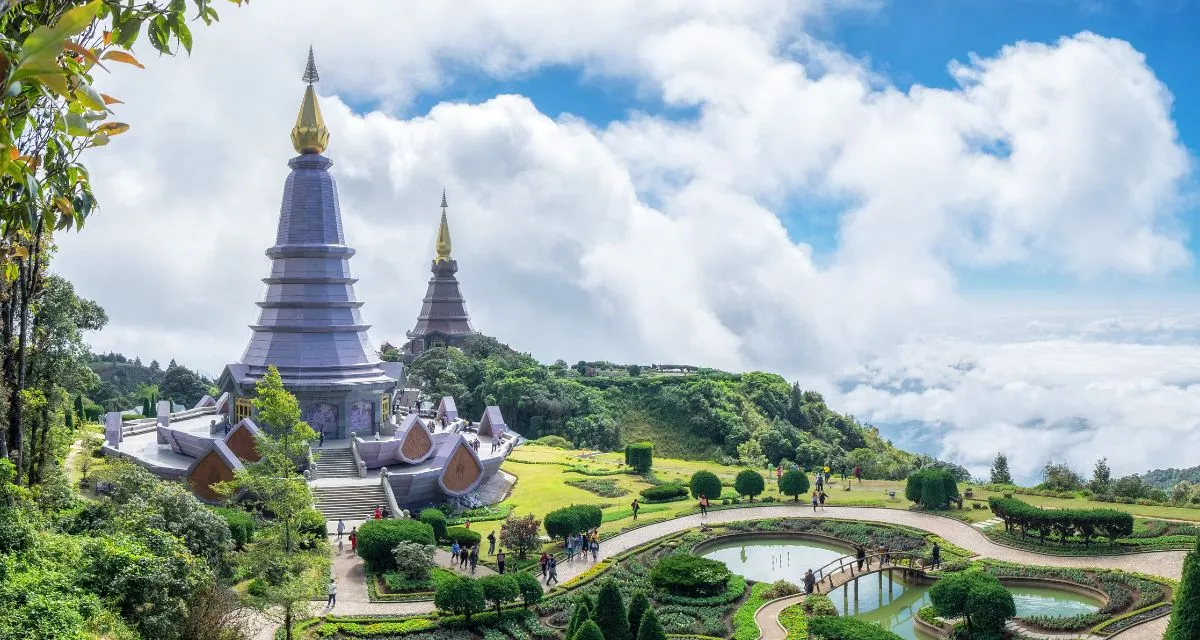
These are seriously gorgeous – built for the King and Queen’s 60th birthdays. The gardens around them are Instagram gold, and there are actual escalators to get to the base (because Thailand). Just dress appropriately (cover up) since it’s a sacred site.
Photo hack: Get there for sunrise if you want those epic sea-of-clouds shots with hardly anyone around.
The Waterfalls (Prepare to Get Wet)
Mae Ya Waterfall Doi Inthanon National Park (The Hidden Gem)
This is the big daddy – Thailand’s tallest waterfall in Doi Inthanon National Park at 260-280 meters. It’s outside the main park area so fewer crowds, and the 15-minute walk is super easy. You can actually swim in the pools below, which is amazing after hiking around.
Photographer’s dream: Early morning (7-9 AM) for that golden light magic.
Wachirathan Waterfall (The Crowd Pleaser)
Massive, loud, and creates rainbows in its spray. It’s right by the road so almost no walking, but the mist will absolutely soak you – protect that camera! Swimming’s a no-go here because of the crazy currents.
Mae Klang Waterfall (The Chill One)
Right at the park entrance, super peaceful, and great for families. The walk’s easy, swimming’s allowed, and late afternoon gives you that perfect golden light everyone’s always chasing.
The Trails (Time to Work Those Legs)
Giew Mae Pan Nature Trail (Don’t Skip This!)
This trail is absolutely bonkers in the best way. You’ll wind through these moss-covered fairy-tale forests, pop out onto golden hills with killer views, then back into cool forest with waterfalls and crystal streams. It’s moderately tough (2.5 km, 2+ hours) but so worth it.
Catch: You need a local Hmong guide (200 THB), but they’re awesome and know all the best spots. Open November-May only.
Pha Dok Siew Nature Trail (The Real Deal)
This one’s more rugged and ends at a Karen hill tribe village. You’ll hike through jungle, rice fields, and past waterfalls. Takes 2-5 hours depending on how much time you spend in the village. Another mandatory guide situation (Karen guide, 200 THB) but totally worth it for the cultural experience.
Ang Ka Luang Nature Trail (For Everyone)
Super short (360 meters), totally flat wooden boardwalk through this misty cloud forest. It’s like walking through Middle Earth, no joke. Takes about 20-30 minutes and no guide needed. Perfect if you’re not feeling up for the bigger hikes.
Cultural Stuff That’s Actually Cool
Baan Mae Klang Luang Village
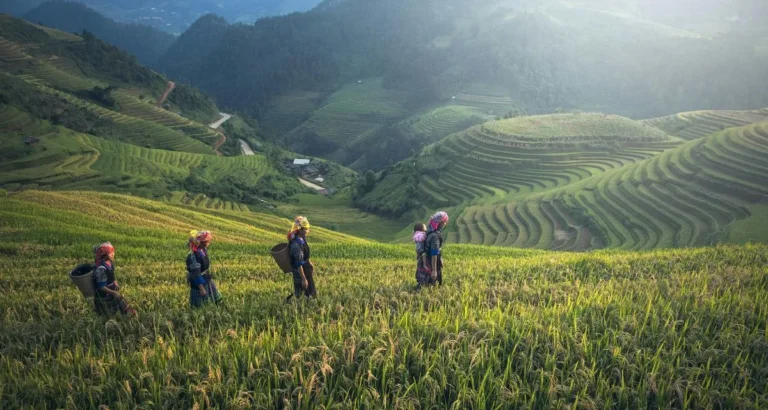
This Karen hill tribe village is surrounded by rice terraces and feels genuinely authentic (not touristy). Try their coffee, buy some local goods, and actually meet some really friendly people. It’s sustainable tourism done right.
Royal Agricultural Station
King Bhumibol set this up to help hill tribes transition from opium farming to sustainable agriculture. Pretty cool backstory, and the gardens are lovely. Costs a bit extra (50-100 THB) but supports good work.
Doi Inthanon National Park Packing Like a Pro
What to Wear
Layer up! It’s seriously 10°C colder than Chiang Mai up there. Bring a fleece or warm jacket for morning visits. Waterproof jacket for the waterfalls (you will get wet). Comfy walking shoes are a must – flip-flops are not gonna cut it. And cover up for the temple visits.
Doi Inthanon National Park Your Day Pack Essentials
- Small backpack (your shoulders will thank you)
- Water bottle (stay hydrated!)
- Snacks (tour lunches can be… questionable)
- Toilet paper (trust me)
- Sunscreen and bug spray
- Power bank (for all those photos)
- Cash (seriously, bring enough)
- Swimwear and quick-dry towel
- Waterproof bag for your electronics
Photography Tips from Someone Who’s Been There in Doi Inthanon National Park
Golden hour is everything: Mae Ya and Mae Klang waterfalls look incredible in early morning light. Royal Pagodas at sunrise are pure magic.
Gear that matters: Wide-angle lens for landscapes, travel tripod (worth the weight), spare batteries (cold drains them fast), and rain covers for everything.
Drone stuff: Allowed in some spots but you need Thai permits. Skip it near the summit and pagodas – military zones.
Doi Inthanon National Park Sample Day Plans (Because Planning is Hard)
The Greatest Hits (One Day)
6 AM: Leave Chiang Mai (yeah, it’s early, but trust me) 8 AM: Hit Wachirathan Waterfall while it’s quiet 10 AM: Royal Twin Pagodas 12 PM: Lunch break 2 PM: Easy Ang Ka trail and the summit 4 PM: Squeeze in Mae Klang Waterfall if there’s time 6 PM: Back to Chiang Mai
The Photographer’s Special
7:30 AM: Mae Ya Waterfall for that golden light 10 AM: Royal Pagodas 12 PM: Lunch at local village 2 PM: Start Pha Dok Siew trail for late afternoon magic 4 PM: Maybe Mae Klang if you’re not wiped out
Where to Sleep (If You’re Smart Enough to Stay Over)
Chom Thong (The Sweet Spot)
Only 20-30 minutes from everything, and you can get to the park super early. Sailom Resort is solid for about 600 THB/night.
In the Park (For the Full Experience)
Park bungalows and camping are available, plus some Karen homestays near Mae Klang Luang. Pue Wa Homestay gets crazy good reviews (9.9 on Booking.com) if you want the real deal.
The FAQ Section (Because I Know You Have Questions)
Can I fly my drone? Some areas, yes, but you need Thai permits. Don’t even think about it near the summit or pagodas – military zones.
Do I need a guide? Only for the two best trails (Kew Mae Pan and Pha Dok Siew). Everything else you can do solo.
Can I swim in the waterfalls? Mae Klang and Mae Ya, absolutely. Check the signs though.
Is it safe to drive alone? Yeah, the roads are fine. Just take it easy on the curves and fill up in Chom Thong.
After Doi Inthanon national park (Because Thailand Has More Gems)
Once you’ve conquered Doi Inthanon National Park, check out Wat Phra That Doi Suthep for city views, or head to ethical elephant sanctuaries like Chang Chill. If you’re feeling adventurous, Doi Mae Salong’s tea plantations and Phu Chi Fa’s sunrise views are incredible.
The Bottom Line
Doi Inthanon National Park is hands down one of Thailand’s most spectacular places. It’s got everything – jaw-dropping views, accessible trails, amazing waterfalls, cultural experiences, and that “wow, I can’t believe places like this exist” factor.
Whether you go with a Doi Inthanon National Park tour or drive yourself, this place will definitely make your Thailand trip memorable. It feels like this incredible secret compared to busy Chiang Mai, and honestly, after visiting, beaches might seem a little… flat?
So download those offline maps, pack some layers, and maybe consider staying overnight. The mountains are calling, and once you see those misty forests and thundering waterfalls, you’ll understand why everyone who goes there falls completely in love with the place.
Your Thai adventure just got a whole lot cooler – literally!